
Reviewed · CAPPADOCIA COOKING CLASSES & FOOD
Cappadocia Home Cooking Experience
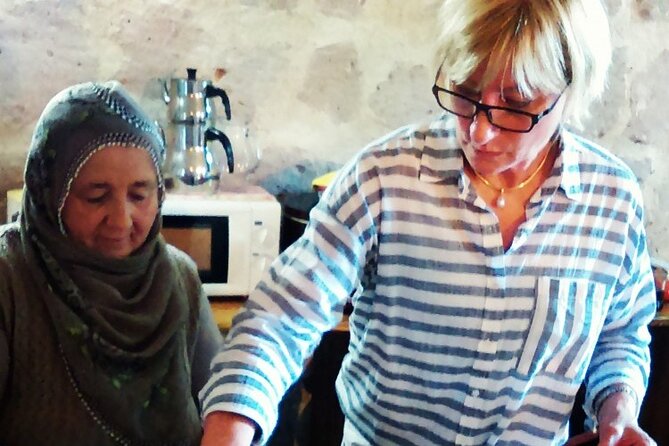
A kitchen lesson in Cappadocia beats another tourist stop fast. This family-run home cooking school in a restored stone arch house is built around hands-on cooking, plus a quick look at the organic garden where your ingredients come from. You’ll cook several classic regional dishes and then sit down to eat the full meal you made yourself.
The best parts for me are the feeling that you’re treated like family and the way the menu comes together using garden-fresh produce and spices. One thing to keep in mind: this experience depends on good weather, so plans may shift if conditions are rough.
In This Review
- What to Expect in 3 Hours (And What You Might Miss)
- Key Highlights You’ll Want to Know
- A Family-Run Kitchen in a Restored Stone Arch House
- Pickup, Timing, and How the 3 Hours Actually Work
- The Organic Garden Moment: Where Your Ingredients Begin
- Cooking the Meal: Soup, Mains, and Dessert Without the Guesswork
- What you’ll learn while you cook
- Starters and Mains: Why These Choices Make the Class Worth It
- Vegetarian Options: What You Can Expect If You Don’t Eat Meat
- The Real Value: Hospitality, Conversation, and Being More Than a Customer
- Price and Value: Is $114.39 Worth It?
- Who This Cooking Class Suits Best
- Practical Tips Before You Go
- Should You Book This Cappadocia Home Cooking Experience?
- FAQ
- How long is the Cappadocia home cooking experience?
- Where is the experience located?
- Is pickup and drop-off included?
- What language is the class offered in?
- How many people are in a group?
- What’s included in the price?
- Will I get to cook, or is it just watching?
- Are specific dishes included?
- Is vegetarian food possible?
- Does the experience run in bad weather?
What to Expect in 3 Hours (And What You Might Miss)
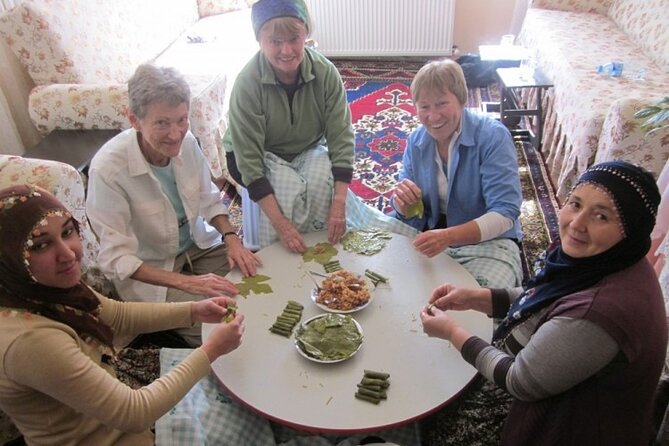
The class is designed to be compact but complete: pickup, a garden moment, cooking, then tea and the meal. With only up to 12 people, it stays practical instead of chaotic, but you should be ready to jump in right away and learn by doing rather than watching from a distance.
Key Highlights You’ll Want to Know
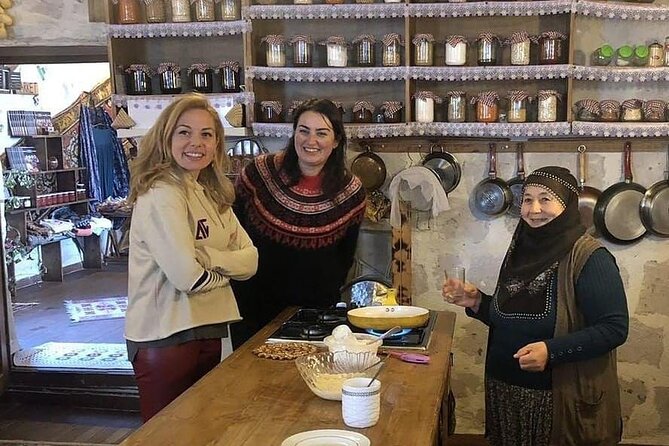
- Organic garden picking: you’ll gather fresh vegetables and herbs to use in your cooking
- Hands-on instruction: you prepare soup, mains, and dessert with guidance
- Real Turkish tea breaks: coffee/tea shows up more than once during the meal flow
- Small group size: a maximum of 12 keeps attention focused
- Village conversation included: you learn about traditions and everyday life while you cook
Into a Cappadocian kitchen
- Cooking Class at Exclusive Kings Valley★ 5.0 · 54 reviews
- Full Day Cappadocia Tour with Homecooked Lunch★ 5.0 · 13 reviews
- Cappadocia Home Cooking Experience★ 5.0 · 11 reviews
- Barbecue Picnic in the valley (Sunset Time)★ 5.0 · 3 reviews
A Family-Run Kitchen in a Restored Stone Arch House
Cappadocia is full of headline experiences. This one is quieter, but it hits the heart faster—because you’re not just tasting food, you’re making it with the people who live with these recipes every day.
The setting matters. You’ll be hosted in a traditional stone arch house that’s been lovingly restored. That simple detail changes the feel from classroom to kitchen-at-home. It also helps you understand what the food is really built on: seasonal ingredients, older methods, and a relaxed pace that still gets you a full meal inside a tight 3-hour window.
The tour runs in English, and the group size is limited to 12 travelers. That’s a sweet spot. Too big and cooking turns into standing around. Too small and you might miss the social energy. Here, you get the hands-on part without losing the friendly vibe.
Pickup, Timing, and How the 3 Hours Actually Work
This is listed as about 3 hours, and that time is used well. You’ll have pickup and drop-off from your area (the exact pickup details are handled by choosing a known meeting point or receiving the specific address). You’ll also get a mobile ticket, which keeps things simple on the day.
Once you arrive, expect a quick orientation and then a move into the cooking rhythm. The program is structured around real meals: soup, starters, mains, and dessert. The “wow” factor is how much you accomplish in a short time. You’re not expected to become a chef. You’re guided through steps and given enough momentum to create several dishes that end up on your table.
One practical note: because this experience requires good weather, you should have a Plan B mindset. If weather forces a change, the operator will offer a different date or refund.
The Organic Garden Moment: Where Your Ingredients Begin
Before you cook, you’ll be introduced to the property’s organic garden. This is where the class starts feeling more meaningful. Instead of ingredients arriving already prepped and portioned, you see the source—fruit, vegetables, herbs, and spices grown locally using natural methods.
Then comes the part that makes this class feel different: you’ll pick fresh produce and herbs to use in your dishes. It’s a short activity, but it’s not just for photos. It gives you a better sense of how flavors come from freshness and how herbs change the character of a dish.
If you care about food that tastes alive—food that isn’t watered down by age and storage—this garden step is one of the reasons the meal lands so well. And it helps you understand why recipes stay consistent in Turkey even when every household tweaks them a little.
Cooking the Meal: Soup, Mains, and Dessert Without the Guesswork
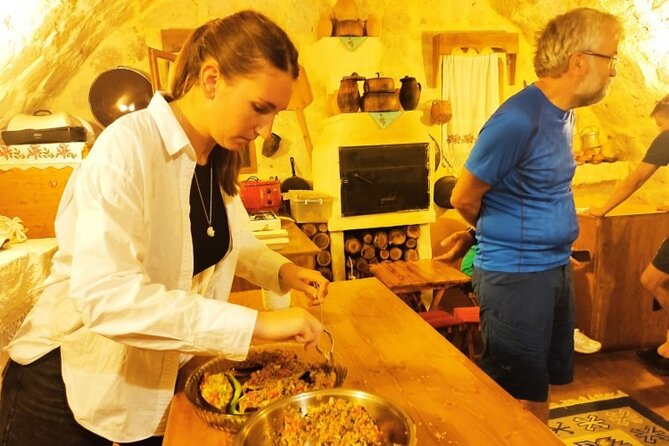
This is a true cooking class, not a demonstration. You’ll prepare and cook multiple dishes with instruction from experienced hosts. The menu varies by session, but you’ll likely see classics like:
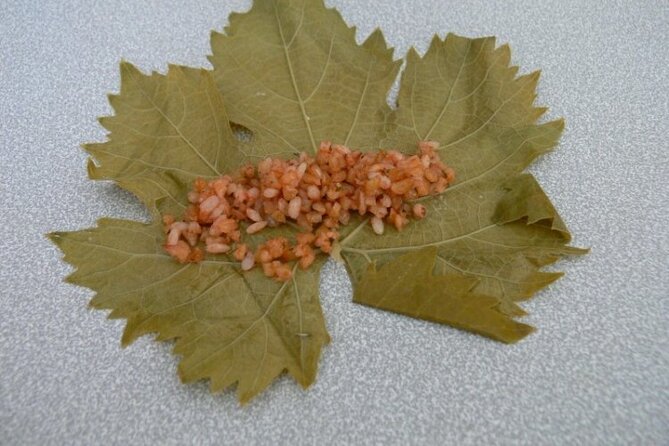
- Starter options: yaprak sarma, salata, börek, and/or pilav
- Main dishes: karnıyarık and mantı
- Dessert: kadayıf
One guest story adds extra color: they worked on red lentil soup, beef stuffed eggplant, and a fried dough dessert topped with honey. That honey was made from the family’s own hives. Even if the exact dishes shift, the pattern stays the same: you get hands-on practice with multiple Turkish staples.


What you’ll learn while you cook
You’ll learn how to work with ingredients in an order that makes sense for home cooking. That’s more useful than memorizing a recipe after the fact. You’ll also learn how regional dishes fit village life—what people cook when they want comfort food, what they do with seasonal produce, and how technique carries flavor.
And yes, you eat well. At the end, you’ll enjoy a meal built around what you prepared. Coffee and/or tea are included, and traditional tea is served while cooking and dining.
Starters and Mains: Why These Choices Make the Class Worth It
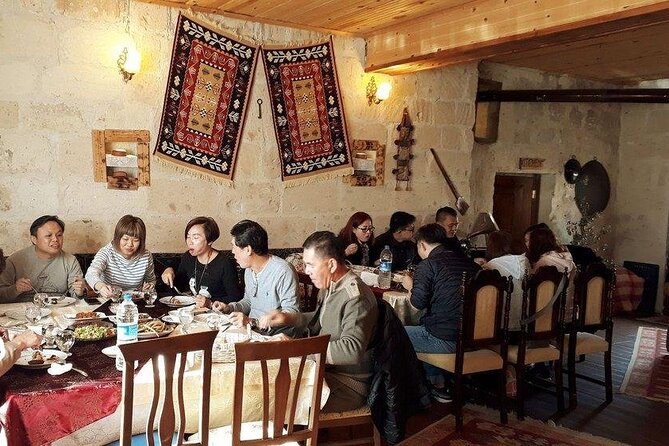
The sample menu isn’t random. It covers several styles of Turkish comfort food, so you get a broad feel for the cuisine without needing a full day.
For example:
- Yaprak sarma teaches patience and folding technique through leafy wrappers.
- Börek gives you a sense of layered dough and savory filling.
- Pilav helps you see how grains and seasoning work together.
- Karnıyarık shows a classic eggplant centerpiece—stuffed, cooked, and served as a hearty main.
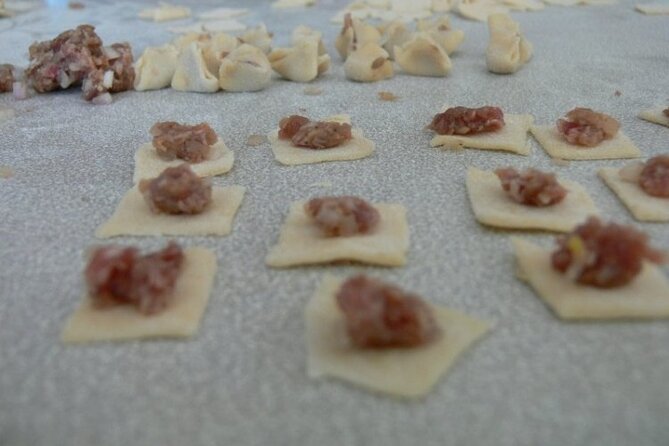
- Mantı brings the world of small dumplings, usually with sauce and yogurt-style components (the exact method is taught during your session).
- Kadayıf ends the meal with something sweet and textural, often built around shredded dough and syrup or honey.
If you like variety, this structure is ideal. You’ll leave with more than one taste memory—you’ll leave with a set of techniques you can recognize later when you eat Turkish food out in the wild.
Vegetarian Options: What You Can Expect If You Don’t Eat Meat
Food choices are important, and this experience appears able to adapt. One review specifically noted that the family accommodated a vegetarian preference. That’s a good sign, but I’d still treat it as a request to confirm when you book—especially since the exact menu and ingredients can vary.
If you’re vegetarian, this class can still make sense because Turkish home cooking often includes strong vegetable dishes, herbs, and breads. Still, you’ll want to communicate clearly so the kitchen can plan.
The Real Value: Hospitality, Conversation, and Being More Than a Customer
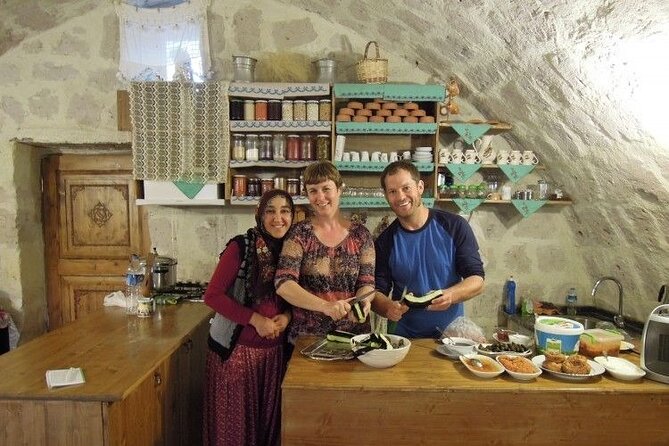
A lot of food tours focus on the meal. This one adds something just as important: conversation. You’ll learn about the village, its traditions, and its way of life while you cook.
In practical terms, that means you’re not stuck in a scripted routine. You can ask questions as you work, and the answers tend to feel personal because the hosts are family running the school. Reviews highlight warm welcomes from the whole family, including memorable, friendly moments like being given a Turkish name by an older family member.
That kind of detail is hard to manufacture. It usually means the hosts are genuinely proud of what they do—and that pride comes through in how the food tastes. Even if you don’t remember every ingredient, you’ll remember the feeling of sitting down together after cooking.
Price and Value: Is $114.39 Worth It?
At $114.39 per person for roughly 3 hours, the honest question is what you’re really paying for.
You’re not just paying for a plate. The included items are the key:
- Lunch/Dinner (you eat what you make)
- Pick-up & drop-off
- Coffee and/or tea and snacks
- Products for cooking
There’s also the added value of a small group (maximum 12), which often means more hands-on time and less waiting. And you’re using fresh garden ingredients as part of the experience, not just tasting pre-bought food.
Compared with experiences that feel like a quick sampling tour, this class is built around participation. You come away with skills, not just flavors. For many people, that’s the difference between paying once and feeling like you got a meal plus a story. Here, you get both.
Who This Cooking Class Suits Best
This fits travelers who like real routines and real kitchens. It’s especially good if you:
- want a break from constant sightseeing and prefer something local
- enjoy cooking enough to try a few dishes by hand
- like learning about everyday culture through food
- want a small-group experience in Göreme
It may not be ideal if you only want a short, passive tasting session. This is a working class. You’ll be cooking.
Practical Tips Before You Go
A few small habits can make your time smoother:
- Wear comfortable clothes you don’t mind getting a little stained. Cooking gets messy, even when it’s fun.
- If you have dietary needs, communicate them early. The class has shown flexibility, but you’ll get the best result by telling the provider your preference right away.
- Plan to enjoy the whole meal. The program is paced so you’ll cook and then eat what you made, with tea included.
Also remember the weather factor. If conditions are poor, the tour may shift to a different date or get refunded. That’s the rare case where you should build in a little flexibility.
Should You Book This Cappadocia Home Cooking Experience?
If you want one of the most memorable parts of Cappadocia to be about food you actually made, I’d book it. The combination of a restored stone arch setting, garden-fresh ingredients, hands-on guidance, and genuine family hospitality makes it feel personal in a way that many tours don’t.
I’d skip it only if you prefer sightseeing over participation or you’re expecting a hands-off demo. Otherwise, this is a strong value because the price includes not just instruction, but the meal, drinks, snacks, and the pickup-and-drop-off that keeps it easy.
FAQ
How long is the Cappadocia home cooking experience?
It runs for about 3 hours.
Where is the experience located?
It takes place in Göreme, Turkey.
Is pickup and drop-off included?
Yes, pick-up & drop-off are included.
What language is the class offered in?
The experience is offered in English.
How many people are in a group?
The experience has a maximum of 12 travelers.
What’s included in the price?
Lunch/dinner, pick-up & drop-off, coffee and/or tea, snacks, and the products for cooking are included.
Will I get to cook, or is it just watching?
You’ll cook and prepare dishes yourself with guidance during the class.
Are specific dishes included?
A sample menu includes items like kadayıf, karnıyarık, yaprak sarma, salata, mantı, pilav, and börek. The exact selection can vary by session.
Is vegetarian food possible?
One guest noted the family was able to accommodate a vegetarian preference. It’s smart to confirm your needs when booking.
Does the experience run in bad weather?
It requires good weather. If it’s canceled due to poor weather, you’ll be offered a different date or a full refund.
More Cooking Classes in Goreme
- Cooking Class at Exclusive Kings Valley
★ 5.0 · 54 reviews - Cappadocia Cooking Class
★ 5.0 · 29 reviews
More Tour Reviews in Goreme
- Cappadocia Hot Air Balloon Ride / Royal Balloon
★ 5.0 · 6,829 reviews - Cappadocia Hot Air Balloon Ride/ Turquaz Balloons
★ 5.0 · 3,330 reviews - Cappadocia Sunset ATV Tour
★ 5.0 · 2,984 reviews - Cappadocia Sunrise Hot Air Balloon Flight / Discovery Balloons
★ 5.0 · 2,882 reviews - Cappadocia: Guided Red Tour with Lunch and Ticket
★ 4.9 · 2,452 reviews - Green (South) Tour Cappadocia (small group) with lunch and ticket
★ 5.0 · 2,317 reviews
More Cappadocian Cooking Classes
- Cooking Class at Exclusive Kings Valley
★ 5.0 · 54 reviews - Cappadocia Cooking Class
★ 5.0 · 29 reviews - Full Day Cappadocia Tour with Homecooked Lunch
★ 5.0 · 13 reviews - Barbecue Picnic in the valley (Sunset Time)
★ 5.0 · 3 reviews
Fresh off the valley trail: our newest Goreme write-ups




Cappadocia Cooking Classes & Food, compared.
 ★ 4.5traditional cooking with ChefFrom $3566 reviews
 ★ 5.0Cooking Class at Exclusive Kings ValleyFrom $12954 reviews
 ★ 5.0Cooking ClassFrom $17629 reviews
 ★ 5.0Full Day Cappadocia Tour with Homecooked LunchFrom $8313 reviews
 ★ 5.0Tailor-Made Private Cappadocia Culture and Gastronomy Daily TourFrom $2244 reviews
 ★ 3.5Turkish Traditional Village Life & Cuisine TourFrom $3623 reviews
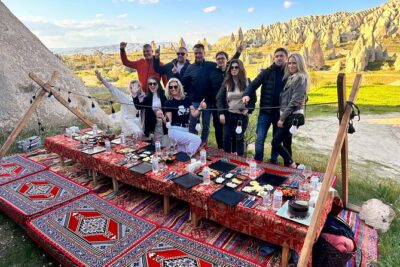 ★ 5.0Barbecue Picnic in the valley (Sunset Time)From $933 reviews
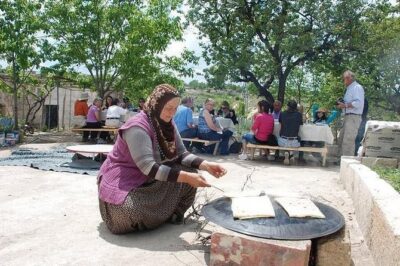 ★ 5.0Private Cappadocia Food and Culture Tour: Turkish Cooking ClassFrom $2803 reviews
Browse the lists this tour appears in