
Reviewed · CAPPADOCIA WINE TASTING
Cappadocia Wine Tasting Experience
Cappadocia wine tasting is the kind of stop that makes the region feel real fast—fairy chimneys outside, rock-cut cellars inside, and Turkish grapes on your glass. I like that the tour pairs regional wines made from indigenous varieties (Kalecik Karası, Emir, Öküzgözü) with straightforward explanations, and I also like the small group size (max 15), so you can actually ask questions instead of just listening. One thing to consider: it’s short—about 1 hour, so if you want a long, wine-school-style experience, you may feel a bit rushed.
In practice, the best part is how quickly the tour connects wine to place: volcanic soil, high altitude, and a cool climate that shape the flavor. The day won’t turn into a long sit-down meal either; it’s more like a guided tasting with local bites, panoramic valley views, and a behind-the-scenes look at how winemaking has evolved in Cappadocia.
In This Review
- Key moments to look forward to
- Cappadocia wine tasting in Avanos: what this experience is really about
- The timing: why 1 hour can still feel like a full tasting moment
- What happens during the tasting: a simple flow you can follow
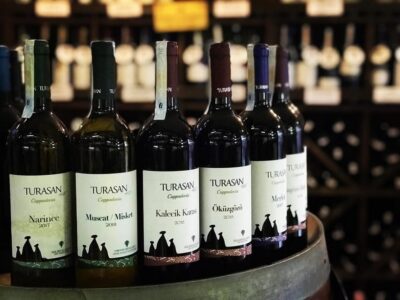
- The big names you’ll taste: Kalecik Karası, Emir, and Öküzgözü
- Cave cellars and rock-cut winemaking: the part that feels most authentic
- Cheese and local delicacies: how the pairing helps you taste the difference
- Panoramic valley views without turning it into a long day
- English guide, smooth flow, and a small group that actually listens
- Getting the most from your 1-hour tasting (practical tips)
- Price and value: is $78.09 worth it?
- Who should book this Cappadocia wine tasting, and who might skip it
- Should you book the Cappadocia Wine Tasting Experience?
- FAQ
- How long is the Cappadocia Wine Tasting Experience?
- Where does the tour start and end?
- Is the tour offered in English?
- What’s the group size limit?
- Do you provide a mobile ticket?
- What are the cancellation terms?
Key moments to look forward to
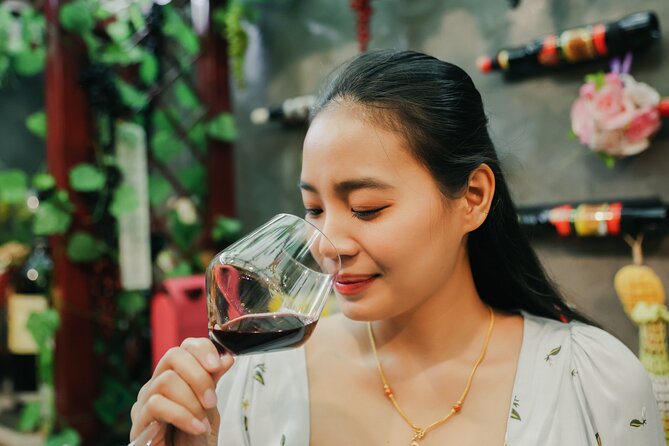
- Indigenous grape focus: Kalecik Karası, Emir, and Öküzgözü show up in the tasting line-up
- Rock-cut cellar visits: learn how soft rock wineries operate and why the caves matter
- Meet winemakers style: a local guide takes you behind the scenes to meet producers and tour their setups
- Cheese and local delicacies pairing: each pour is supported with food that helps you taste differences
- Panoramic valley views: you get the scenery moments without adding hours to your day
- English-guided, small groups: tours run in English with a maximum group of 15
Cappadocia wine tasting in Avanos: what this experience is really about
This is a 1-hour Cappadocia wine tasting experience that mixes wine culture with Cappadocia’s physical reality. The region is famous for its surreal rock shapes, but wine here isn’t just a souvenir. The tour’s structure points you toward how the vines, the soil, and the climate influence what ends up in your glass.
You’ll likely start with the kind of orientation that makes tasting less confusing. Instead of random pours, the tasting is tied to indigenous grapes and local wine traditions. That matters because it gives your palate a map: you’re not just drinking; you’re learning how each variety behaves and why it tastes the way it does.
The setting also does some of the work for you. Even when you’re not fully inside a cellar, you’re surrounded by the sense that this is a place carved and lived in. That’s why rock-cut wine spaces feel less like a gimmick and more like a logical fit.
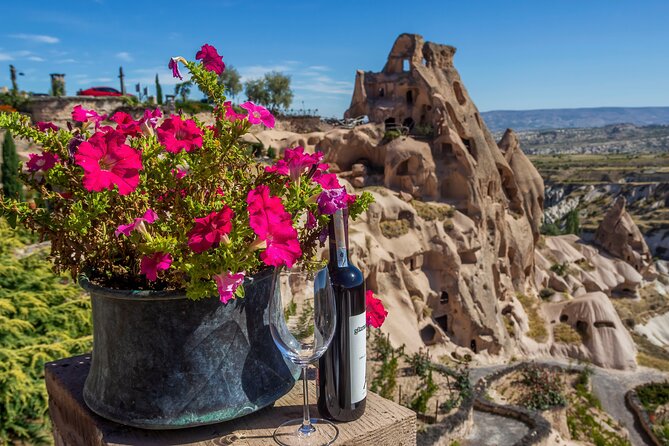
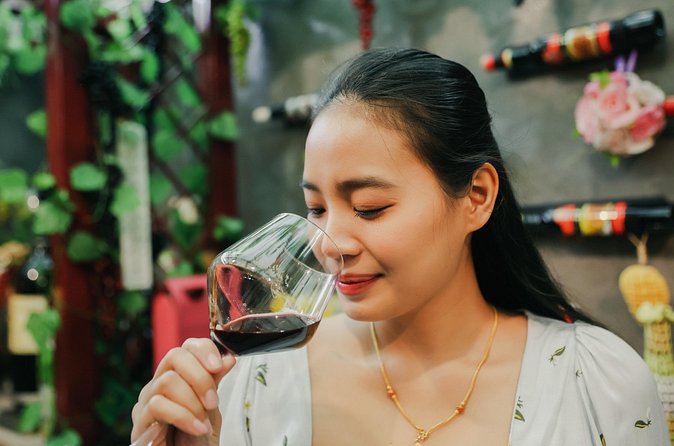
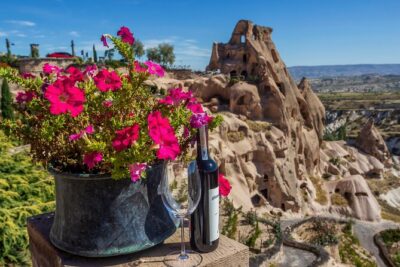
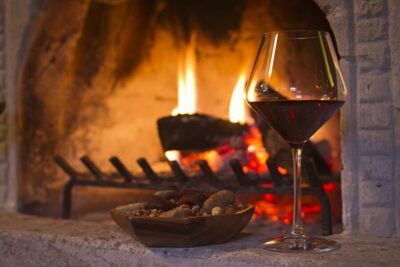
A glass of Cappadocia volcanic wine
- Wine Tasting in Cappadocia Turkey – Introduction of local wines★ 5.0 · 43 reviews
- Cappadocia Wine Tasting Experience★ 5.0 · 33 reviews
- Underground city tour & optional wine tasting★ 5.0 · 16 reviews
- Romantic Cappadocia Sunset Dinner and Wine★ 5.0 · 16 reviews
- Cappadocia: Private Day Tour with Wine Tasting★ 5.0 · 8 reviews
The timing: why 1 hour can still feel like a full tasting moment
One reason I’d recommend this for most people is the duration. Around 60 minutes means it fits neatly into a busy Cappadocia schedule. You can pair it with other sightseeing without losing a chunk of your day.
That short window also creates a different vibe. You won’t spend the whole time waiting for courses or sitting through a lecture. The tour is designed to move: brief explanations, tasting stops, and food pairings that help you notice flavors while they’re fresh.
Small-group tours help here too. With a maximum of 15 travelers, the guide can keep questions from piling up. In the past, guides associated with this type of experience have been praised for clear explanations and keeping energy up, including jokes and humor. That kind of delivery helps you stay focused, especially when you’re tasting multiple wines in a short period.
What happens during the tasting: a simple flow you can follow
The tour is built around a few repeating elements that make it easy to track what you’re tasting:
First, you get a local explanation of what makes Cappadocia wines different. The guide connects the dots between terroir and taste—volcanic soil, altitude, and cool conditions.
Then comes the behind-the-scenes portion. You’ll hear about winemaking history and what it took to revive it in the region. And you’ll spend time around the kind of cellar spaces that are carved into soft rock. Those cellars aren’t just photogenic. They help tell the story of how winemaking adapted to the land.
After that, the tasting itself ties back to the grapes and the conditions. The tour isn’t only about what you drink; it’s about why those wines were chosen. When you’re tasting Kalecik Karası, Emir, and Öküzgözü, you’re tasting for variety differences, not just label differences.
Finally, the tour adds food pairing. That’s key because cheese and local delicacies aren’t an afterthought. They’re there to shift flavor and texture so you can notice what the wine does next.
The big names you’ll taste: Kalecik Karası, Emir, and Öküzgözü
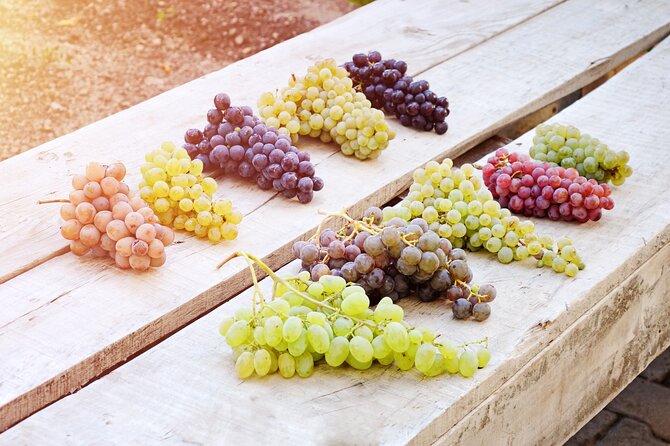
The grape list is one of the strongest reasons to do this tour rather than grabbing wine on your own. Many tastings elsewhere focus on famous global varieties. Here, you’re tasting indigenous Cappadocian grapes, which is where the real learning is.
Kalecik Karası is one you’ll likely encounter as part of the red wine experience. It’s specifically referenced as a grape variety in this tour. Emir is also included and is part of what gives the tasting lineup its identity. Öküzgözü rounds out the set, and having all three in one short session helps you compare how grape character shows up on your tongue.
Here’s how to use this lineup while you’re tasting:
- Take one sip, then pause for the food pairing. Cheese can change how you interpret acidity, tannin, and aroma.
- If you’re unsure what you like, focus on how the wine behaves after a bite, not only in the glass.
- Ask the guide to explain what makes the grape suit Cappadocia’s conditions. You’ll usually get a clearer answer when the guide can connect it to volcanic soil and altitude.
Cave cellars and rock-cut winemaking: the part that feels most authentic
The cellar story is where this tour gains depth. The experience includes visits to winemaking spaces carved into soft rock. That matters for two reasons.
One: it’s practical. Rock-cut spaces can help stabilize temperatures, which helps producers manage fermentation and storage. The tour’s explanations aim to connect the physical environment to how wine is made and handled.
Two: it’s emotional. Cappadocia’s architecture is part of its identity, and wine has a similar connection. When you see how producers work with the land they’re given, wine stops feeling like a generic activity.
If you’re the kind of traveler who likes background details—why something exists and how it’s done—this is the best time to ask questions. Guides in this program are often praised for giving clear site-by-site explanations, and some have used prepared videos to make ideas easier to follow. If your guide uses any visuals, lean into it. It helps you keep up during tasting.
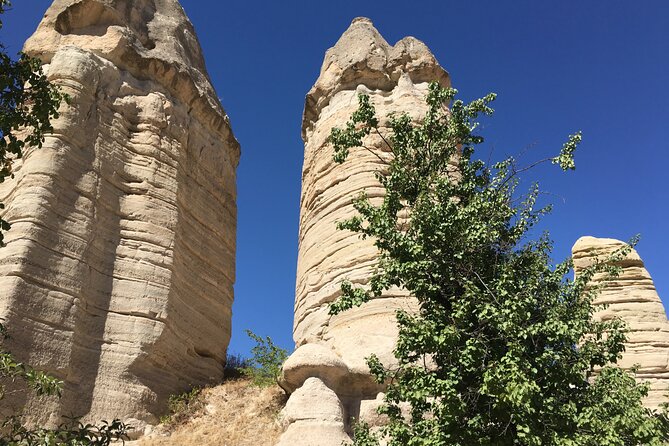
A handful more around Goreme we would happily send you to
Cheese and local delicacies: how the pairing helps you taste the difference
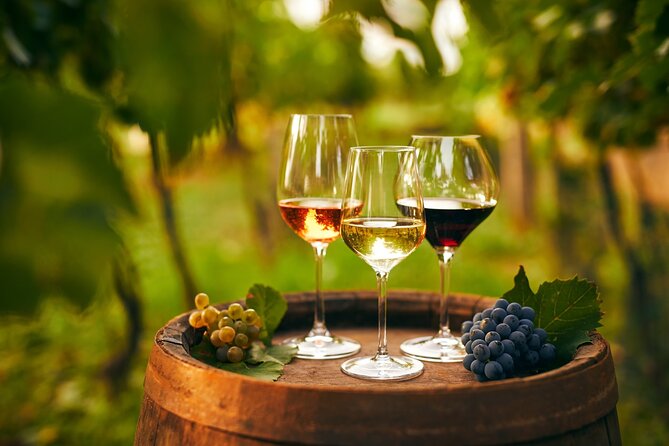
A wine tasting that skips food can turn into a blur. This one pairs pours with cheeses and local delicacies, and that pairing is the difference between tasting like a tourist and tasting like a curious person.
Here’s what the food does for you:
- Cheese can soften sharpness and make aromas pop.
- Local bites can add salt, fat, and texture, which changes how you read the wine’s body.
- Pairing gives you a rhythm. You’re less likely to drink quickly and more likely to notice.
You don’t need to be a food expert to benefit. Just treat each pair as a “flavor experiment.” Take a sip, then eat a bite, then sip again. That pattern usually makes differences between red and white wines, and between grape styles, much easier to detect in a short time.
Panoramic valley views without turning it into a long day
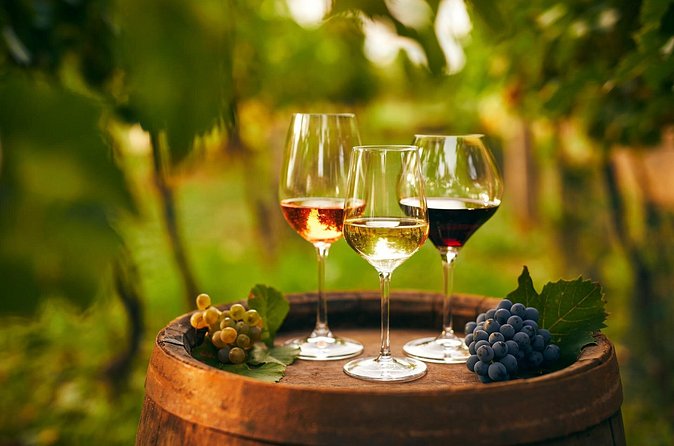
The tour includes panoramic views of Cappadocia’s valleys. That sounds like a nice extra, but the real value is pacing.
In a one-hour experience, scenery can easily become an interruption—two minutes here, one minute there, then back to the bus. Here, the views feel integrated with the storytelling. You’re learning about terroir and traditions, then you see the geography that shaped those traditions.
Photo time is part of the vibe too. Some tours like this are praised for giving enough time for photos and keeping the group moving at a pace that doesn’t feel exhausting. If you like taking pictures, wear shoes you can walk in comfortably and keep your camera accessible when the guide calls it.
English guide, smooth flow, and a small group that actually listens
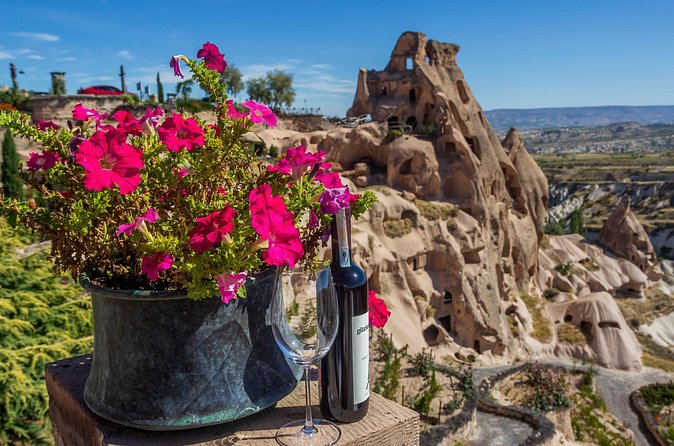
This experience is offered in English, and it’s capped at 15 travelers. That small-group limit changes the tone. You can get specific answers instead of generic ones, and you’re more likely to hear a full explanation rather than half an explanation because someone asked a question too late.
The guide experience is frequently described as energetic and friendly, with some guides bringing humor into the session. That matters because tasting can feel intimidating if you don’t know wine terminology. A guide who keeps things light and clear helps you relax and focus on the flavors.
Also, the tour’s design seems to reduce friction: confirmation is received at booking, and the ticket is mobile. That makes it easier to fit into a day without lots of paperwork headaches.
Getting the most from your 1-hour tasting (practical tips)
You don’t need to study wine before you go, but you can set yourself up to enjoy it more.
- Plan to taste slowly. One hour is enough time to sample multiple wines; rushing makes it harder to remember what you liked.
- Use the pairing as your guide. If you feel like a wine is not clicking, try one more sip after a bite.
- Ask for the grape-to-terroir link. The tour is tied to volcanic soil and altitude, so ask how that shows up in flavor.
- Dress for changing conditions. One related experience in this region has been described as freezing with snow. Cappadocia weather can shift fast, so bring a warm layer if you’re traveling in colder months.
- Bring a curious attitude, not a wine vocabulary. The best tasting moments tend to come from simple questions like what to notice and why that grape was chosen.
Price and value: is $78.09 worth it?
At $78.09 per person, this isn’t a bargain-bin tasting. But it also isn’t trying to be a long, multi-stop tour with heavy transportation time. The value is in the combination:
- You get an English guide plus guided storytelling around local winemaking history and revival.
- You’re not only tasting; you’re getting context—cellar visits, producer-style access, and terroir explanations.
- The tasting isn’t blank. There are food pairings (cheese and local delicacies), which increases both enjoyment and understanding.
- The wine focus is specific: indigenous grape varieties rather than generic pours.
If you’re the type of traveler who enjoys a structured, educational experience without spending half a day, this price can make sense. If you want a longer tasting with more wine poured and more time in wineries, you might find better fit in a longer program. This one is about efficiency plus local detail.
Who should book this Cappadocia wine tasting, and who might skip it
I think this tour fits best if you’re:
- A wine curious traveler who wants clear explanations and a manageable time commitment
- Visiting Cappadocia for the first time and want one activity that connects scenery with culture
- Traveling with friends or a couple and you like small-group experiences with photo breaks
- Looking for an activity that doesn’t require advanced wine knowledge
You might skip it if:
- You want a full-day wine route with extensive winery time and heavy pours
- You prefer self-guided tastings where you can linger as long as you want
- You’re allergic or sensitive to food pairings (the tasting includes cheese and local delicacies, though specific ingredients beyond that aren’t listed)
Should you book the Cappadocia Wine Tasting Experience?
If you’re in Göreme and want a short, high-signal cultural stop, I’d say this is a solid booking. The mix of indigenous grapes, rock-cut cellar storytelling, and food pairings is the kind of combo that makes wine tastings feel connected to Cappadocia instead of pasted on.
Choose it especially if you value a guide who explains clearly and keeps the session engaging—some of the guides associated with these kinds of tours have been praised for humor, clarity, and keeping the group moving at a comfortable pace. And because it’s about an hour, you can still spend the rest of your time chasing views, hikes, and that fairy chimney magic.
If your main goal is quantity—lots of wine, long winery time—then look for a longer format. But if your goal is to understand what Cappadocia tastes like in a single sitting, this one-hour stop is a good match.
FAQ
How long is the Cappadocia Wine Tasting Experience?
It runs for approximately 1 hour.
Where does the tour start and end?
It starts at Salkım Şarap Evi | Wine House (Yukarı, Edip Akbayram Sk. No:60, 50100 Avanos/Nevşehir, Türkiye) and ends back at the meeting point.
Is the tour offered in English?
Yes, the experience is offered in English.
What’s the group size limit?
The tour has a maximum of 15 travelers.
Do you provide a mobile ticket?
Yes, you’ll receive a mobile ticket.
What are the cancellation terms?
Free cancellation is available. You can cancel up to 24 hours in advance for a full refund. If you cancel less than 24 hours before the start time, the amount paid is not refunded.
More Food & Drink in Goreme
- Cappadocia Half-Day Fairy Chimneys Guided Tour with Wine Tasting
★ 5.0 · 106 reviews - Wine Tasting in Cappadocia Turkey – Introduction of local wines
★ 5.0 · 43 reviews - Underground city tour & optional wine tasting
★ 5.0 · 16 reviews - Cappadocia: Private Day Tour with Wine Tasting
★ 5.0 · 8 reviews - Cappadocia Private Tour-Mixed Tour+Home-made Wine Tasting
★ 5.0 · 6 reviews - Ancient Cappadocia’s Wine Tasting – Private Tour
★ 3.5 · 3 reviews
More Tour Reviews in Goreme
- Cappadocia Hot Air Balloon Ride / Royal Balloon
★ 5.0 · 6,829 reviews - Cappadocia Hot Air Balloon Ride/ Turquaz Balloons
★ 5.0 · 3,330 reviews - Cappadocia Sunset ATV Tour
★ 5.0 · 2,984 reviews - Cappadocia Sunrise Hot Air Balloon Flight / Discovery Balloons
★ 5.0 · 2,882 reviews - Cappadocia: Guided Red Tour with Lunch and Ticket
★ 4.9 · 2,452 reviews - Green (South) Tour Cappadocia (small group) with lunch and ticket
★ 5.0 · 2,317 reviews
More Cappadocia Wine Tastings
- Cappadocia Half-Day Fairy Chimneys Guided Tour with Wine Tasting
★ 5.0 · 106 reviews - Wine Tasting in Cappadocia Turkey – Introduction of local wines
★ 5.0 · 43 reviews - Underground city tour & optional wine tasting
★ 5.0 · 16 reviews - Romantic Cappadocia Sunset Dinner and Wine
★ 5.0 · 16 reviews - Cappadocia: Private Day Tour with Wine Tasting
★ 5.0 · 8 reviews - Cappadocia Sunset Lavender Farm Tour w/Wine
★ 5.0 · 6 reviews
Fresh off the valley trail: our newest Goreme write-ups



Cappadocia Wine Tasting, compared.
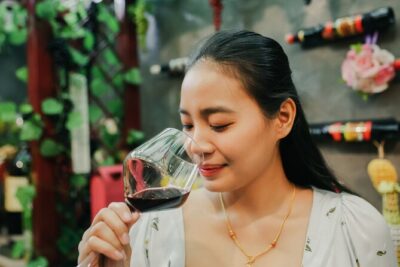 ★ 5.0Half-Day Fairy Chimneys Guided Tour with Wine TastingFrom $139106 reviews
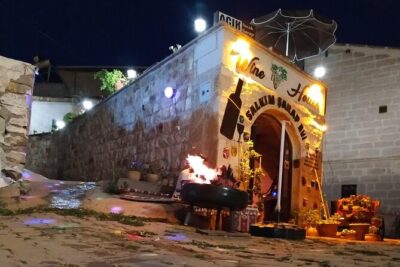 ★ 5.0Wine Tasting in Cappadocia Turkey – Introduction of local wines43 reviews
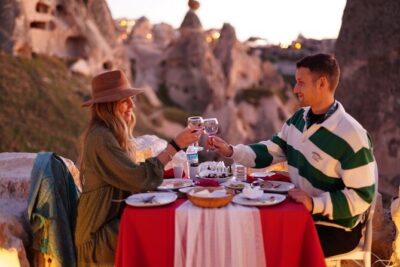 ★ 5.0Romantic Cappadocia Sunset Dinner and WineFrom $8516 reviews
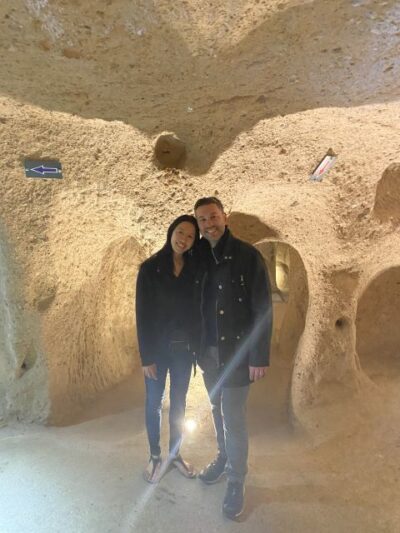 ★ 5.0Underground city tour & optional wine tastingFrom $11816 reviews
 ★ 4.9Wine Tasting ExperienceFrom $5312 reviews
 ★ 4.5Watching the Sunset With Wine in Red ValleyFrom $3511 reviews
 ★ 5.0Private Half-Day Vineyards & Wine Tasting TourFrom $23610 reviews
 ★ 5.0Private Day Tour with Wine TastingFrom $1058 reviews
Browse the lists this tour appears in