
Reviewed · POTTERY & AVANOS WORKSHOPS
Historical Pottery Making in Cappadocia
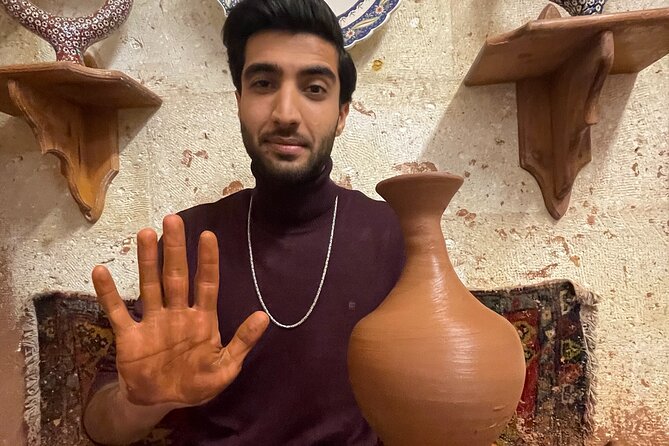
If your day in Cappadocia needs a creative break, this one fits. You’ll get Turkish tea, watch a pottery demonstration, then try a bit of hands-on work in a real workshop setting. It’s short, friendly, and easy to slot in when you want something practical beyond just photos.
I especially like the clear, step-by-step way they explain the art and local ceramic designs, plus the fact that you’re led by a professional instructor. One thing to consider: this is closer to a quick experience than a full pottery class, so set expectations for limited hands-on time and be ready for showroom-style selling.
In This Review
- Key Things to Know Before You Go
- A 30-Minute Pottery Stop in Avanos (Served for Göreme Days)
- Entering the Workshop: Meeting the Craft Before the Demo Starts
- The Pottery Show and Fresh Turkish Tea Moment
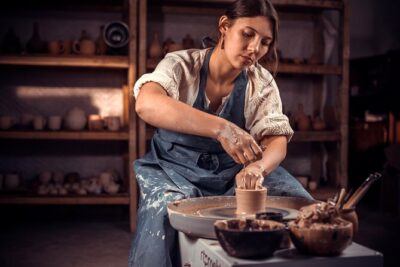
- Trying Your Own Pottery: A Short Hands-On Clay Experience
- Learning the Meaning Behind the Designs and Local Craft Culture
- The On-Site Showroom: Beautiful Pieces, Shopping Energy, and How to Handle It
- Price and Value: What $12 Buys You in Cappadocia
- Private Group Experience and Booking Reality
- Who This Workshop Is Best For (and Who Should Skip It)
- Should You Book This Historical Pottery Making in Cappadocia?
- FAQ
- Where is the meeting point for this pottery experience?
- How long does the experience last?
- What are the opening hours?
- What is the price per person?
- Is hotel pickup and drop-off included?
- What language is the experience offered in?
- Is this a private group activity?
- What’s included in the experience?
- Does it include a pottery show?
- What is the cancellation policy?
Key Things to Know Before You Go
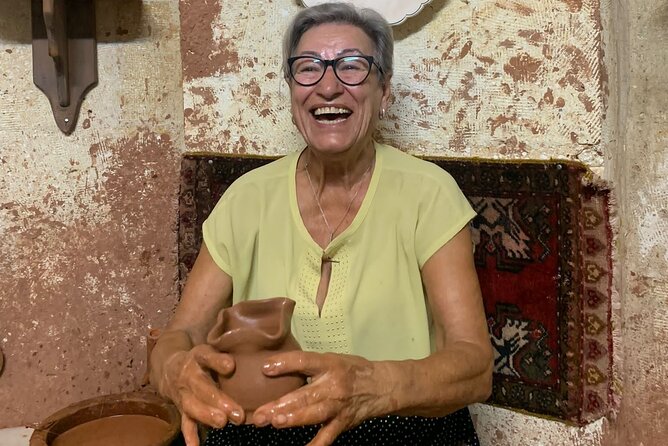
- Turkish tea during the pottery show keeps the pace relaxed and local
- Professional instructor explains what you’re seeing and making
- Hands-on pottery is brief—plan for a short clay moment, not hours on the wheel
- Shopping happens on-site inside an active showroom
- English is available and the experience is offered as a private group option
- No hotel pickup means you’ll want to plan how you’ll reach the Avanos meeting point
A 30-Minute Pottery Stop in Avanos (Served for Göreme Days)
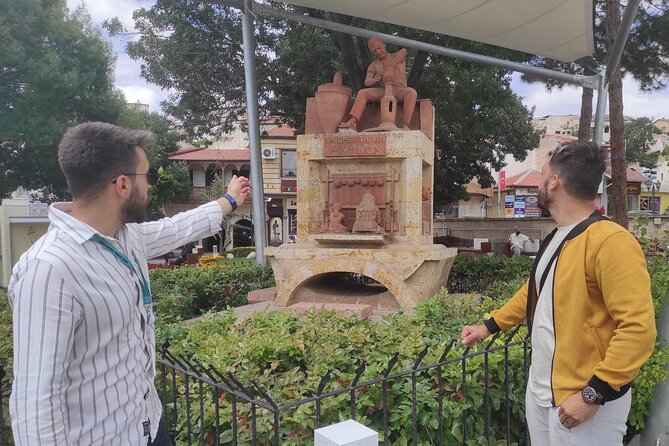
This experience is sold as part of the Göreme area, but the meeting point is in Avanos, at Ömürlü SeramikYeni, Hasan Kalesi Cd. 3 Sok D:26 (50500). That matters because Avanos is where a lot of Cappadocia’s pottery tradition actually comes to life, thanks to the local clay and the workshops that have been doing this for generations.
The good news: you’re not committing to half a day. At roughly 30 minutes, it’s the kind of stop that works well when you’ve already got your early-morning hike or sunset plan locked in. For $12 per person, you’re paying for guided access to a living craft—plus the comfort of tea and an instructor who talks you through what’s going on.
The timing window is also generous: the workshop is open daily from 9:30 AM to 4:30 PM (across the listed operating dates). If you’re traveling in busy season, being able to choose an afternoon slot is a real advantage.
At the wheel in Avanos
- Cappadocia Pottery Workshop Class★ 5.0 · 191 reviews
- Private Pottery Making Course★ 5.0 · 32 reviews
- Cappadocia: Historical Pottery Experience Tour★ 4.1 · 20 reviews
- Cappadocia Authentic Pottery Workshop Experience★ 5.0 · 18 reviews
- Private Red Tour with Pottery Workshop in Cappadocia★ 5.0 · 17 reviews
Entering the Workshop: Meeting the Craft Before the Demo Starts
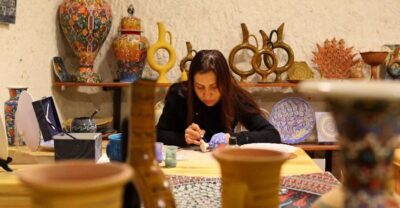
You’ll meet at the workshop address (Ömürlü SeramikYeni) and then step into the space where the pottery-making happens. Even before anyone starts talking, the setting gives you a quick reality check: this isn’t a staged performance hall. It’s a working ceramics venue with tools, finished pieces, and an active workflow.
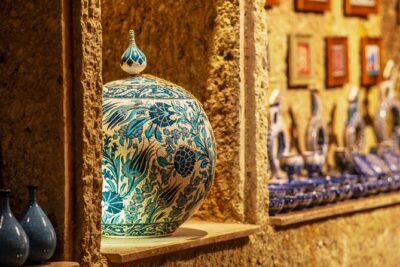
That’s part of why I think it’s worth doing. When you walk into a real workshop environment, you naturally start noticing small details—like how different shapes and finishes catch the light, or how certain decorative styles stand out. And once the instructor begins, those details turn into actual learning instead of random sightseeing.
One practical note: since hotel pickup and drop-off are not included, you’ll want to make sure you can get there on your own. If you’re staying in Göreme, that usually means arranging a taxi or having transport already planned.
The Pottery Show and Fresh Turkish Tea Moment
First comes the show. You’ll watch a pottery demonstration, and it’s paired with fresh Turkish tea. That tea bit isn’t just a nice perk—it helps the whole experience feel more like a cultural stop and less like a rushed sales pitch.
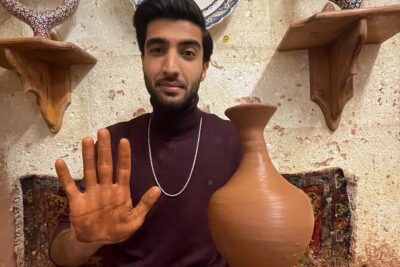
The show is also where you get your bearings. They explain the craft in a way that’s aimed at a general audience, so you don’t need any prior pottery knowledge. You’re essentially getting a quick guided version of how Cappadocia ceramics look and how they’re made, without needing to memorize technical jargon.
I like this structure because it sets you up before you try anything yourself. If you jumped straight to clay without seeing the process first, it would be harder to appreciate what you’re making and why it matters.
Trying Your Own Pottery: A Short Hands-On Clay Experience
After the show, you’ll try making pottery yourself. The key word in this experience is try. The format is designed to be easy for most people, but it’s also intentionally brief.
Here’s how you can protect your expectations: think of it as a quick hands-on introduction, not a long, skill-building class. Plan for limited time with the clay, and be ready for the fact that the demonstration-instruction portion may take more of the session than you’d get in a full workshop day.
That matters because the value of this experience depends on what you want. If you’re happy with a taste of the craft—tea, explanation, watching how it’s done, and then a short chance to participate—this will feel good and doable. If what you really want is extended wheel practice, multiple attempts, and long-time instructor coaching, you may feel the time is too short.
Learning the Meaning Behind the Designs and Local Craft Culture
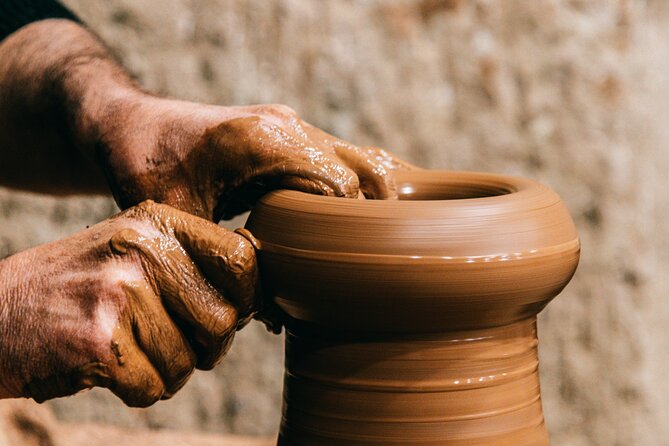
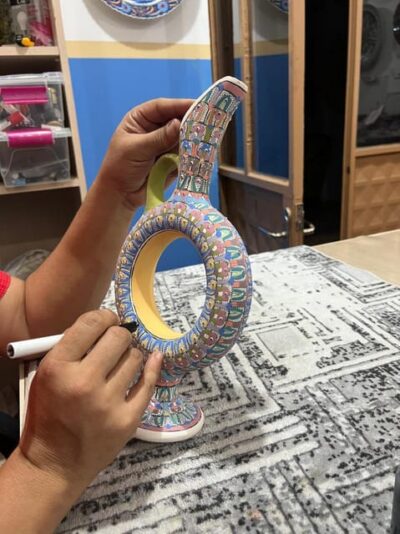
They don’t just show steps—they also share details about the art, including information about artworks and special designs, plus context about local culture. In a place like Cappadocia, that cultural layer is the difference between buying a souvenir and understanding why a ceramic pattern or motif looks the way it does.
Even in a short session, this part gives you something to take home mentally:
- what types of decorative styles you’re seeing
- why certain looks connect to local traditions
- how the instructor frames the craft within Cappadocia’s creative identity
I also like that it’s taught in English, which keeps the “what am I looking at?” question from turning into guesswork. When you understand even a little, you shop smarter and photograph more confidently.
A handful more around Goreme we would happily send you to


The On-Site Showroom: Beautiful Pieces, Shopping Energy, and How to Handle It
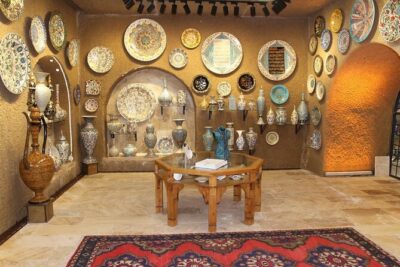
This experience happens in and around a ceramics showroom. That’s not automatically a bad thing—beautiful work deserves to be displayed—but it does mean you may feel sales pressure while you’re there.
Some visitors have described the selling style as uncomfortable, especially when they want to take their time. So here’s my practical advice: decide your plan before you walk in. If you only want the experience and don’t plan to buy, tell yourself upfront you’ll keep it simple. If you do want to buy, go in with a budget and treat the showroom like a normal shopping area, not a casual browse.
Also remember what you’re paying for. This tour is $12 and lasts about 30 minutes. That pricing and time shape the experience: you’re paying for access, explanation, and a guided taste of pottery—not a full-day artisan studio session.
Price and Value: What $12 Buys You in Cappadocia
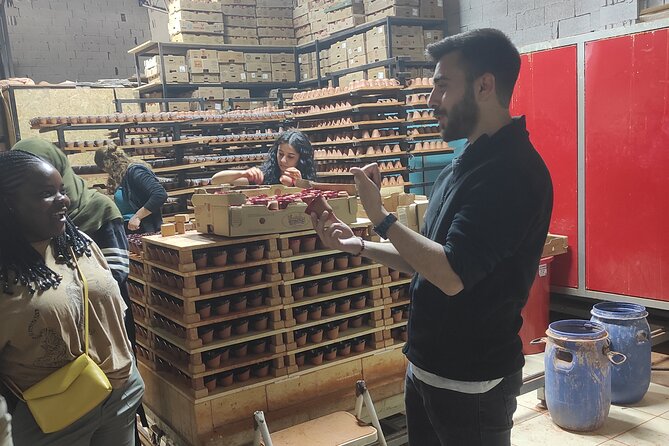
At $12 per person, this is one of the easier add-ons you can afford during a Cappadocia trip. The value comes from three things working together:
- You get guided craft context from a professional instructor
- You get tea and a demonstration that makes the session feel culturally grounded
- You get a chance to participate, even if the hands-on time is brief
If you’re comparing this to longer pottery classes elsewhere, you’ll notice it’s lighter on instruction time. But that’s also why it can be a good option. Not every travel day needs a skill course that takes hours. Sometimes the best value is the short, well-organized intro you can fit between hikes, valleys, and sunrise plans.
On the flip side, the cost can feel steep if you were expecting a longer pottery class. So use this as a reality check: this is a quick experience with a workshop vibe.
Private Group Experience and Booking Reality
This is listed as a private activity for your group only. In plain terms, that often means the instructor can focus more on you and your group’s questions, without juggling a big crowd.
Booking-wise, it’s commonly reserved fairly close to the trip date (about 6 days in advance on average). If you’re traveling in peak season or on tight schedules, booking sooner is usually safer.
You’ll also get a mobile ticket, and you’ll receive confirmation at booking. That’s helpful if your plans are shifting day by day and you want something straightforward to keep.
Who This Workshop Is Best For (and Who Should Skip It)
This experience is a good fit if you:
- want a short, guided craft stop in Cappadocia
- enjoy watching demos and picking up cultural context
- like the idea of a quick “I tried it” moment, not an all-day class
- prefer English instruction and a private-group feel
I’d be more cautious if you:
- came specifically for a full, hands-on pottery course with lots of practice time
- hate shopping pressure in workshops or showrooms
- need a very hands-on experience where you spend most of the time working with clay
If you want pottery because you’re chasing a real skill, look for options where the class time is longer than 30 minutes. If you want pottery because you want to understand the craft and have a small participation moment, this works.
Should You Book This Historical Pottery Making in Cappadocia?
I’d book it if you’re after a quick, structured introduction: tea, a pottery show, instructor guidance, and a brief clay attempt in a real Avanos workshop setting. For $12 and about half an hour, it’s an easy way to add texture to your Cappadocia day.
I wouldn’t book it if your main goal is a long pottery class. Be honest with yourself about the time you’ll get on clay and the fact that the workshop environment is also set up for selling ceramics. If that kind of showroom energy makes you tense, choose another activity and spend your time elsewhere.
FAQ
Where is the meeting point for this pottery experience?
You’ll start at Ömürlü SeramikYeni, Hasan Kalesi Cd. 3 Sok D:26, 50500 Avanos/Nevşehir, Türkiye.
How long does the experience last?
It runs for approximately 30 minutes.
What are the opening hours?
The listed hours are Monday through Sunday from 9:30 AM to 4:30 PM.
What is the price per person?
The price is $12.00 per person.
Is hotel pickup and drop-off included?
No. Hotel pickup and drop-off are not included.
What language is the experience offered in?
It is offered in English.
Is this a private group activity?
Yes. It’s private, and only your group participates.
What’s included in the experience?
Coffee and/or tea, a historical pottery making experience, and a professional instructor.
Does it include a pottery show?
Yes. You’ll watch a pottery show before you try making your own pottery.
What is the cancellation policy?
You can cancel for a full refund up to 24 hours in advance of the experience’s start time. If you cancel less than 24 hours before, the amount paid is not refunded.
More Historical Tours in Goreme
- Historical Pottery Making in Cappadocia
★ 5.0 · 261 reviews - Goreme: Whirling Dervishes Show in Historical Cave
★ 4.4 · 169 reviews - All İncluded Cappadocia Red Tour History And Nature
★ 5.0 · 165 reviews - Full Day Green Tour Natural History of Cappadocia Tour
★ 5.0 · 65 reviews - Cappadocia: Historical Pottery Experience Tour
★ 4.1 · 20 reviews - Full-Day Private Historical Guided Tour of Cappadocia
★ 5.0 · 8 reviews
More Tour Reviews in Goreme
- Cappadocia Hot Air Balloon Ride / Royal Balloon
★ 5.0 · 6,829 reviews - Cappadocia Hot Air Balloon Ride/ Turquaz Balloons
★ 5.0 · 3,330 reviews - Cappadocia Sunset ATV Tour
★ 5.0 · 2,984 reviews - Cappadocia Sunrise Hot Air Balloon Flight / Discovery Balloons
★ 5.0 · 2,882 reviews - Cappadocia: Guided Red Tour with Lunch and Ticket
★ 4.9 · 2,452 reviews - Green (South) Tour Cappadocia (small group) with lunch and ticket
★ 5.0 · 2,317 reviews
More Pottery Workshops in Avanos
- Historical Pottery Making in Cappadocia
★ 5.0 · 261 reviews - Cappadocia Pottery Workshop Class
★ 5.0 · 191 reviews - Private Pottery Making Course
★ 5.0 · 32 reviews - Cappadocia: Historical Pottery Experience Tour
★ 4.1 · 20 reviews - Cappadocia Authentic Pottery Workshop Experience
★ 5.0 · 18 reviews - Private Red Tour with Pottery Workshop in Cappadocia
★ 5.0 · 17 reviews
Fresh off the valley trail: our newest Goreme write-ups




Pottery & Avanos Workshops, compared.
 ★ 5.0Historical Pottery Making in CappadociaFrom $13261 reviews
 ★ 4.9Authentic Pottery Workshop ExperienceFrom $25241 reviews
 ★ 4.8Avanos: Pottery Workshop with Clay Making ExperienceFrom $22233 reviews
 ★ 5.0Pottery Workshop ClassFrom $10191 reviews
 ★ 4.9Hidden Underground City & Pottery Tour W/ticketFrom $16115 reviews
 ★ 3.3Pottery WorkshopFrom $1241 reviews
 ★ 5.0Private Pottery Making CourseFrom $1932 reviews
 ★ 4.4Avanos: Turkish Music and Dance Show with Dinner & DrinksFrom $6724 reviews
Browse the lists this tour appears in