
Reviewed · TURKISH NIGHT & WHIRLING DERVISHES
Göreme: The Original Dervish Ritual in Konya or Cappadocia
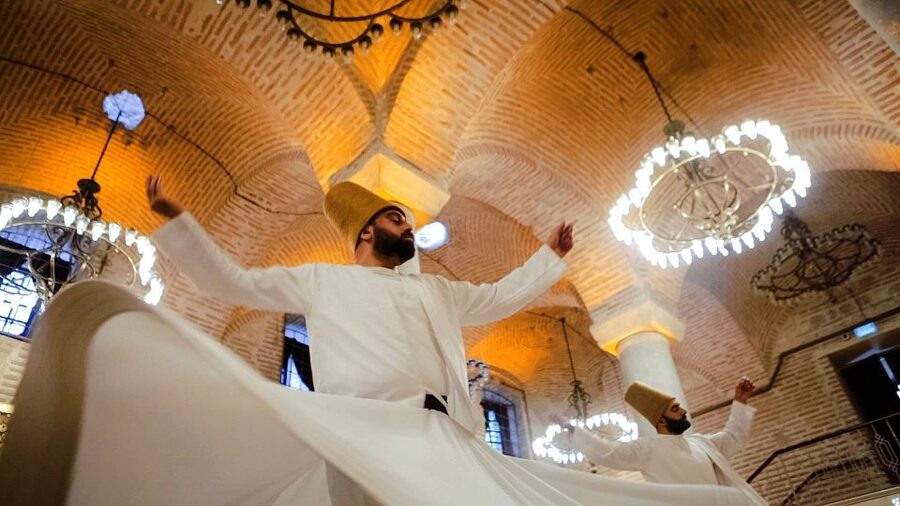
One of Turkey’s most hypnotic traditions happens in real ceremony space. This experience lines up hotel pickup with an authentic dervish ritual led by the Mevlana-associated program in Konya or the dervishes in Cappadocia’s historic Saruhan Kervansaray. The big draw for me is how seriously the show is treated, from the building itself to the flow of the ritual. The only real catch is the strict rules on no cameras or recording during the ceremony, so you’ll want to plan your photo time carefully.
Two things I really like: you’re not just watching a performance in a random venue, you’re seeing the ritual inside a setting built for it—either the Saruhan Caravanserai atmosphere in Cappadocia or the Mevlana Art Center for Şeb-i Arus. And the day is handled for you end-to-end, with a driver and included entrance ticket, so you can focus on the experience instead of logistics. One drawback to consider is timing: pickup can be early (up to minimum 4 hours before in Cappadocia departure), and it’s not suitable for people with mobility issues, claustrophobia, epilepsy, or motion sickness.
In This Review
- Key highlights worth planning for
- How the Konya or Cappadocia Ritual Actually Plays Out
- Saruhan Kervansaray in Cappadocia: A 12th-Century Stage for the Whirl
- Mevlana Art Center in Konya and Şeb-i Arus: When the Ceremony Becomes a Grand Event
- Pickup, Timing, and the 2–6 Hour Window (Yes, It Can Vary)
- What the Ceremony Is Like: Music, Prayer, and the Whirling Part
- Photo Rules: What’s Allowed and How to Avoid Camera Regret
- Price and Value: Is $50 Worth It?
- Who This Tour Fits Best (and Who Should Skip It)
- The Little Details That Make or Break Your Day
- Should You Book This Dervish Ritual Experience?
- FAQ
- Where does pickup happen?
- How long is the experience?
- How much does it cost?
- Is hotel pickup and drop-off included?
- What is included besides transport?
- What about food and drinks?
- Can I take photos or record video?
- Which languages are available?
- When do the Şeb-i Arus commemorations run in 2024?
- Is this activity suitable for everyone?
Key highlights worth planning for
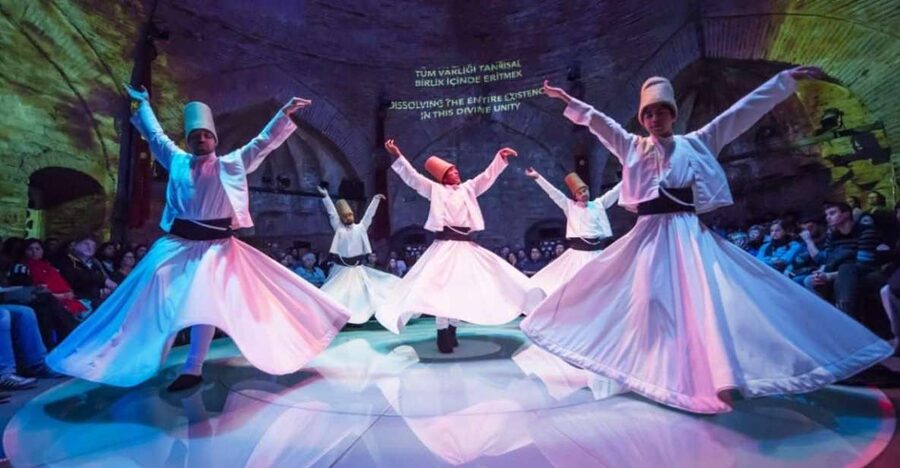
- Two ceremony options (Konya or Cappadocia): choose the Şeb-i Arus style program in Konya or the dervish ceremony in Cappadocia’s Saruhan Kervansaray
- Historic venue settings: Saruhan Kervansaray is a 12th-century caravanserai; Konya is tied to the Mevlana Art Center ritual tradition
- Real ritual pacing: music and prayer lead into the whirling part, with a smoother rhythm than casual performances
- Time for photos at the end: cameras are restricted during the ceremony, but there can be a final moment where photos/video are permitted
- Pick up/drop off across Göreme and nearby areas: including Göreme, Çavuşin, Uçhisar, Ortahisar, plus Konya options
- Language support for the driver: English, Russian, and Turkish are available with the drive and accompaniment
How the Konya or Cappadocia Ritual Actually Plays Out
This tour is built around one core idea: you’re going to watch a daily-style dervish ritual in a structured ceremony setting, not a simplified stage show. Depending on what you select, you’ll either head toward Konya for the great Şeb-i Arus program or stay closer to Göreme for the Cappadocia ceremony in the Saruhan Kervansaray.
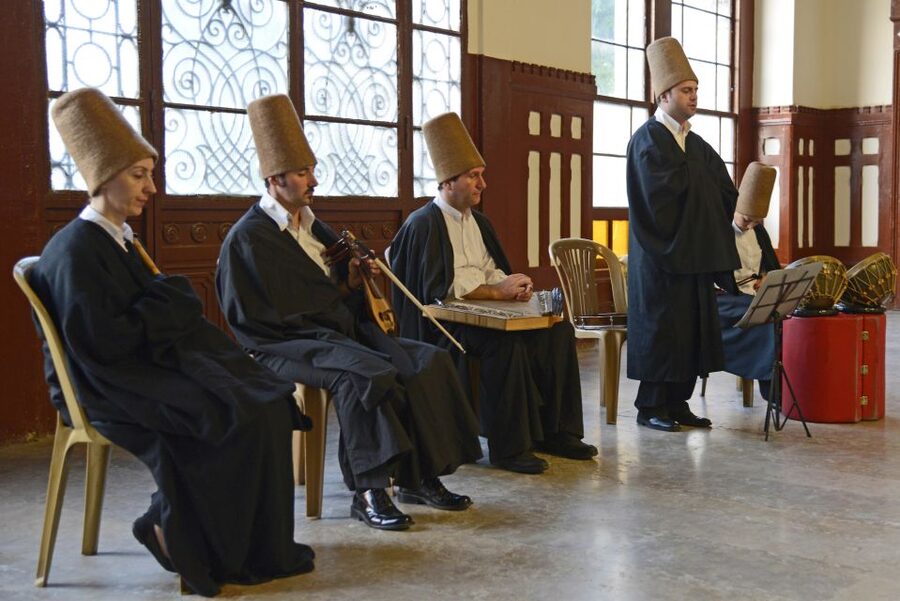
Either way, the arc of the experience is similar. You arrive, you settle in, and the ritual begins with prayer and accompanying music before moving into the whirling segment. In one example of how it feels on-site, reed music and drums kick off the ceremony, then the group transitions into the whirling portion—slowly enough that you can actually track what’s happening instead of feeling lost.
The day is also designed to be low-friction. You get hotel pickup and drop-off, and your entrance ticket is included. You handle only the basics: bring yourself, follow the rules, and be ready to sit still for a ceremony that doesn’t care about your schedule.
More cave-restaurant evenings and shows
- Turkish Night at Cave Restaurant with Dinner and Unlimited Drinks★ 5.0 · 1,225 reviews
- Göreme: Turkish Night at Cave Restaurant Dinner & Drinks★ 4.6 · 455 reviews
- Goreme: Whirling Dervishes Show in Historical Cave★ 4.4 · 169 reviews
- Cappadocia: Mystical Rhythms Whirling Dervish Show★ 4.3 · 90 reviews
- Cappadocia: Romantic Concept Dinner in the Valley★ 4.9 · 62 reviews
Saruhan Kervansaray in Cappadocia: A 12th-Century Stage for the Whirl
If you’re choosing the Cappadocia option, Saruhan Kervansaray is the headline. This is a 12th-century caravanserai, which matters because these places have built-in acoustic and crowd flow—space that naturally supports ceremonial viewing. A modern restaurant twirl has nothing on this. The building setting changes your body’s sense of time. Sound travels differently. The light feels less like entertainment and more like tradition.
On the scheduled route, Saruhan Kervansaray comes with more than just a quick look. You’ll typically get a photo stop and a guided tour of about 1.5 hours. That’s a useful buffer: you’re not only going in cold, you get context for where you are and why the venue feels the way it does.
What you gain here is a sense that the ceremony belongs to the place, not the other way around. It also helps if you’re the kind of person who likes to understand a little before the main event, so the whirling part lands with more meaning. If you’re visiting Cappadocia mainly for landscapes (pigeons included), this adds a human layer that you can’t get from photos alone.
Practical note: this is not a tour designed around long breaks or wandering. You’re on a timeline, and you’ll be moving between pickup points and the ceremony area.
Mevlana Art Center in Konya and Şeb-i Arus: When the Ceremony Becomes a Grand Event
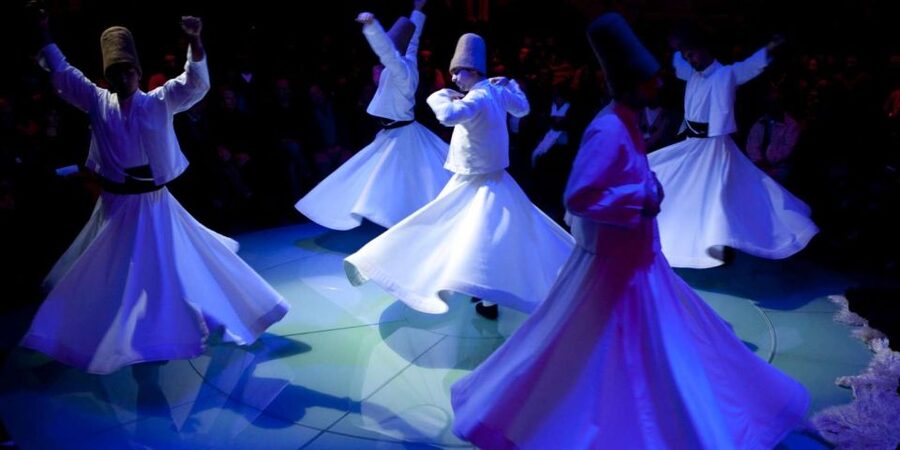
If you’re choosing Konya, your destination is the Mevlana Art Center, tied to the Şeb-i Arus commemorations. The dates provided for 2024 are 07–17 December, linked to the 751th reunion anniversary commemoration ceremonies and the death anniversary of Mevlana Celaleddin Rumi.
In plain terms, this is the moment when the ceremony is treated as a major calendar event. Instead of feeling like a compact show, it can feel closer to a public ritual gathering—still structured, still ceremonial, but larger in scale and special in timing.
The tour description makes one thing clear: if you depart from Cappadocia, you’re transferred to Konya and you’ll be picked up minimum 4 hours before the ceremony. If you depart from Konya, pickup is listed at about 1.5 hours before. That difference is important. It means the day is planned to protect your seat time and reduce stress, but it also means you should not schedule anything else tightly before departure.
After the ceremony, you’re driven back to your hotel in Konya or back to your Cappadocia location, depending on your pickup/drop-off selection. So you’re not left improvising transport in a busy city after a late ceremony.
Pickup, Timing, and the 2–6 Hour Window (Yes, It Can Vary)
This activity lists 2–6 hours, but the real driver of your day is pickup time. You’ll pick a pickup point among Konya, Çavuşin, Uçhisar, Göreme, and Ortahisar. Then the plan shifts based on which ceremony you’re scheduled for.
Here’s how to think about it:
- Cappadocia departure: plan for an early start. Pickup is at least 4 hours before the ceremony.
- Konya departure: plan for a shorter lead-in, around 1.5 hours before.
Also note that the route includes short transfer time and a scheduled stop described as Van (about 20 minutes). That’s a short break—likely for stretching your legs and grabbing water if you’ve planned ahead—but don’t count on it being a full meal stop.
In the Cappadocia-side itinerary, there’s also a 1.5-hour guided visit at Saruhan Kervansaray, plus time for photos. That’s why your total time can creep toward the upper end of the range even if the ceremony itself isn’t long.
The day works best if you travel light, accept that you’ll sit through parts of the route, and build in patience. This is a ritual-focused outing, not a hop-on/hop-off sightseeing spree.
What the Ceremony Is Like: Music, Prayer, and the Whirling Part
The experience is staged as a real ceremony sequence. The rhythm typically starts with prayer and the musical lead-in, then shifts into the whirling part. One detailed account highlights reed music and drum beats at the start, which sets the tempo for everything that follows.
The biggest value of seeing it in this format is clarity. Even without understanding every word, the ritual has patterns: you see when it begins, when it transitions, and how the group moves as one. That reduces the feeling that you’re just watching random choreography.
A small booklet can help some people follow what they’re seeing. You should think of it like a simple guide to the ceremony steps—enough to connect motion and meaning—without turning it into a lecture. In practice, it’s handy if you’re curious but not fluent in the cultural language.
Also, the venue matters. Being inside an older building can make the sound and atmosphere feel stronger. One account describes a surreal feeling from watching the ceremony in the historic setting—exactly the kind of effect you’re chasing when you choose a real ritual space over a generic show.
Further afield across Turkey


Photo Rules: What’s Allowed and How to Avoid Camera Regret
Here’s the part you must plan for: cameras aren’t allowed, including professional cameras, and video recording, photography inside, and audio recording are not permitted. That means your camera needs to be out of reach during the ceremony itself.
At the same time, at least one account notes that after the ceremony ends, there can be a final moment where photos and even video are permitted. Translation: you might get an opportunity at the end, but you shouldn’t assume it until you’re told. The safest strategy is:
- Keep your camera stored until the group confirms the ceremony is over
- If photos are allowed at the end, be ready quickly
- Expect restrictions during the main ritual—especially during prayer and whirling
If you care about photos, set expectations: your best shots will be at permitted times, not during the main segment. It’s a tradeoff, but one you can live with if you came to watch, not just record.
Price and Value: Is $50 Worth It?
The price is listed as $50 per person. At first glance, that might sound like a basic ticket plus transport. But value here comes from what’s included:
- Hotel pickup and drop-off
- Dervish ceremony entrance ticket
- A guided component in the Saruhan Kervansaray visit (when that route is scheduled)
What’s not included is food and drinks, so you’ll want to bring a snack plan or buy something before you’re committed to the ceremony window. Since pickup can be very early on the Cappadocia departure option, having water and a small buffer snack can save you from a grumpy moment later.
This tour also scores well on overall satisfaction, with an average 4.5 rating across 54 ratings. That’s a good sign for an experience where rules and timing can make or break the day. It also suggests most people are walking away feeling they saw the real thing in a proper venue—not just passing through for a quick look.
Who This Tour Fits Best (and Who Should Skip It)
This is a strong fit if you:
- want a structured cultural ritual experience rather than a quick performance stop
- like historic settings, especially caravanserai architecture in Cappadocia
- want transport handled so you can focus on the ceremony
It can be a poor fit if you:
- have mobility impairments
- feel uncomfortable with claustrophobia
- have epilepsy
- struggle with motion sickness
- need a baby-friendly option (it’s not suitable for babies under 1 year)
One practical point: it isn’t built as a kid-and-teen drop-in. Even when kids are curious, ceremony rules and quiet timing make it tough for younger attention spans. The experience is calmer and more formal than a typical sightseeing outing.
Language is another factor. The driver supports English, Russian, and Turkish, but explanation levels can vary, so if you need constant narration in English, don’t assume it’s guaranteed.
The Little Details That Make or Break Your Day
A few things you should do before you go:
- Arrive at pickup on time and be ready in the lobby area about 5 minutes earlier than pickup (the instructions are explicit).
- Dress for a ceremony evening. You’ll be sitting, and you don’t want to be “brave” in the wrong way.
- Respect the recording rules. Trying to sneak a photo will only stress you out right when you want to be present.
- If you’re doing Konya on the Şeb-i Arus dates, plan for a larger, more ceremonial atmosphere.
Also consider the schedule style. The tour is built around transportation and a ceremony block, not open-ended roaming. If you like spontaneous detours and long coffee breaks, you’ll need to manage your expectations.
Should You Book This Dervish Ritual Experience?
Book it if you want the best version of this tradition: a real dervish ceremony in a venue connected to the Mevlana program (Konya) or the historic Saruhan Kervansaray setting (Cappadocia), with transport handled and your entrance included. The strict camera rules are a dealbreaker only if your main goal is recording.
Skip it if any of the safety/comfort constraints apply to you, or if you absolutely need frequent English narration throughout the ceremony. Also, if you hate early wake-ups, the Cappadocia departure timing can be a lot, since pickup can be minimum 4 hours before the ceremony.
If you’re choosing between Konya and Cappadocia, pick the one that matches your travel mood:
- Konya + Şeb-i Arus for a big commemorative ceremony feel during 07–17 December 2024
- Cappadocia + Saruhan Kervansaray for a historic caravanserai setting closer to Göreme, plus a guided venue visit
FAQ
Where does pickup happen?
Pickup options include Konya, Çavuşin, Uçhisar, Göreme, and Ortahisar.
How long is the experience?
The duration is listed as 2 to 6 hours, depending on the starting time.
How much does it cost?
The price is listed as $50 per person.
Is hotel pickup and drop-off included?
Yes. Hotel pickup and drop-off are included.
What is included besides transport?
You also get a dervish ceremony entrance ticket.
What about food and drinks?
Food and drinks are not included.
Can I take photos or record video?
No. Cameras are not allowed, and video recording, photography inside, and audio recording are also not allowed. (After the ceremony, photography rules may change, but the ceremony itself follows strict restrictions.)
Which languages are available?
The languages provided are English, Russian, and Turkish.
When do the Şeb-i Arus commemorations run in 2024?
They’re described as being celebrated between 07–17 December 2024.
Is this activity suitable for everyone?
No. It’s listed as not suitable for people with mobility impairments, claustrophobia, epilepsy, motion sickness, and babies under 1 year.
More Tour Reviews in Goreme
- Cappadocia Hot Air Balloon Ride / Royal Balloon
★ 5.0 · 6,829 reviews - Cappadocia Hot Air Balloon Ride/ Turquaz Balloons
★ 5.0 · 3,330 reviews - Cappadocia Sunset ATV Tour
★ 5.0 · 2,984 reviews - Cappadocia Sunrise Hot Air Balloon Flight / Discovery Balloons
★ 5.0 · 2,882 reviews - Cappadocia: Guided Red Tour with Lunch and Ticket
★ 4.9 · 2,452 reviews - Green (South) Tour Cappadocia (small group) with lunch and ticket
★ 5.0 · 2,317 reviews
More Grand Tours Beyond Cappadocia
- 2 Day All Inclusive Cappadocia Tour from Istanbul with Optional Balloon Flight
★ 5.0 · 429 reviews - Transfer from Kayseri Airport to Cappadocia Hotels (Small Group)
★ 4.5 · 89 reviews - One way Transfer from Nevşehir Airport to Cappadocia Hotels
★ 4.5 · 60 reviews - Istanbul to Cappadocia: 2-Day All Inclusive Tour + Balloon Option
★ 5.0 · 55 reviews - 2 Days – Cappadocia Tour from Istanbul with optional Hot Air Balloon Flight
★ 5.0 · 28 reviews - Private Transfer from Cappadocia to Antalya with Konya tour
★ 5.0 · 17 reviews
More Turkish Nights and Dervish Shows
- Turkish Night at Cave Restaurant with Dinner and Unlimited Drinks
★ 5.0 · 1,225 reviews - Göreme: Turkish Night at Cave Restaurant Dinner & Drinks
★ 4.6 · 455 reviews - Cappadocia Whirling Dervishes ceremony
★ 5.0 · 276 reviews - Goreme: Whirling Dervishes Show in Historical Cave
★ 4.4 · 169 reviews - Cappadocia: Mystical Rhythms Whirling Dervish Show
★ 4.3 · 90 reviews - Cappadocia: Romantic Concept Dinner in the Valley
★ 4.9 · 62 reviews
Fresh off the valley trail: our newest Goreme write-ups

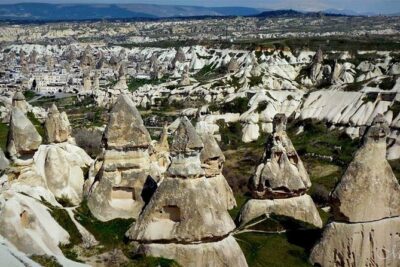
Turkish Night & Whirling Dervishes, compared.
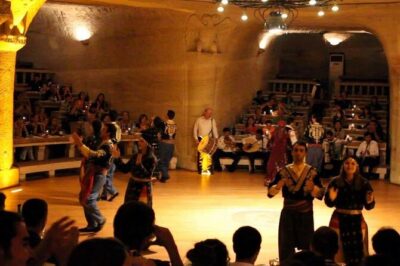 ★ 5.0Turkish Night at Cave Restaurant with Dinner and Unlimited DrinksFrom $661,225 reviews
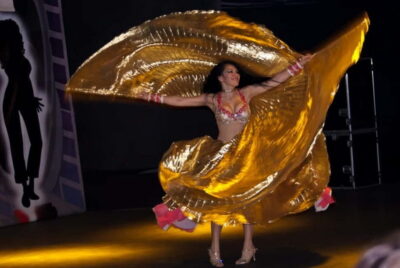 ★ 4.6Turkish Night at Cave Restaurant Dinner & DrinksFrom $77455 reviews
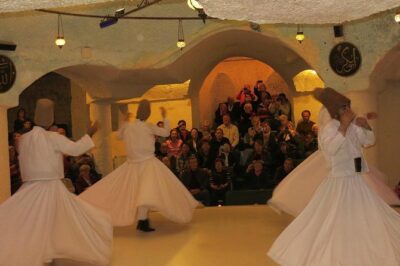 ★ 5.0Whirling Dervishes ceremonyFrom $24276 reviews
 ★ 4.1Turkish Night Show with Dinner in a CaveFrom $65222 reviews
 ★ 4.4Whirling Dervishes Show in Historical CaveFrom $24169 reviews
 ★ 4.3Mystical Rhythms Whirling Dervish ShowFrom $4790 reviews
 ★ 3.9Turkish Culture Dinner Show & Optional TransferFrom $3785 reviews
 ★ 4.9Romantic Concept Dinner in the ValleyFrom $19562 reviews
Browse the lists this tour appears in