
Reviewed · TURKISH NIGHT & WHIRLING DERVISHES
Cappadocia: the Original Whirling Dervish Ceremony
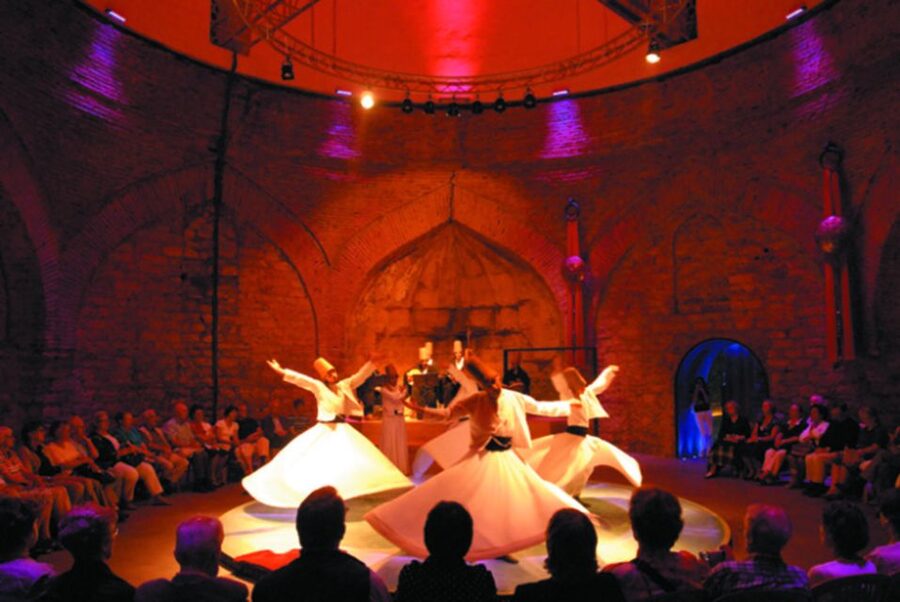
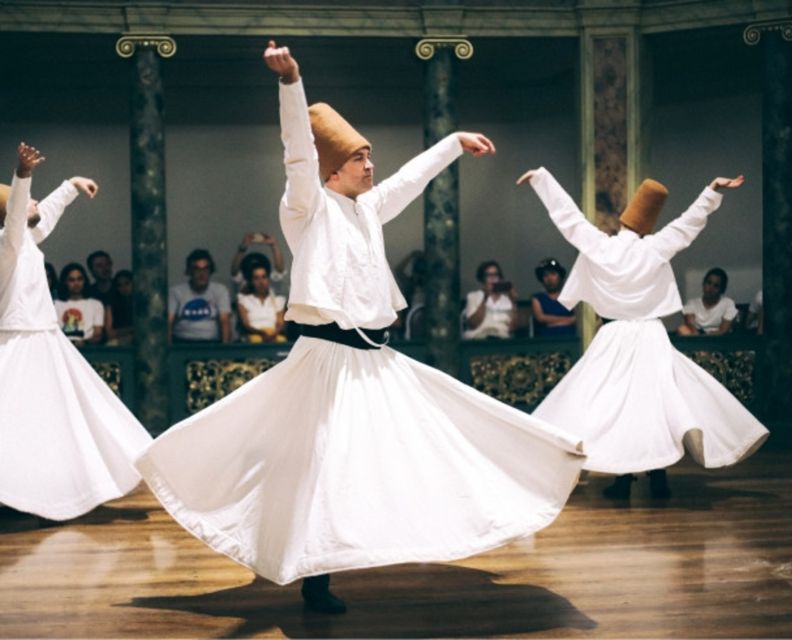
Real dervishes, not a tourist dance. This ceremony lets you watch ney flute music and devotional turning led by dervishes in a real Ortahisar cave setting, with a clear sense this isn’t just choreography for entertainment. I especially love two things: the solemn, live-music feel, and the way you’re served cinnamon tea as part of the program. The one catch is the strict no-cameras rule during the main ceremony.
Pickup is the easy part here: if your driver is on point (and many guides are), you’ll be led into the venue and handled end-to-end. The main consideration for you is comfort and rules: there’s no filming inside, the timing runs like a real religious program, and it’s not suitable for kids under 5 or anyone with claustrophobia, epilepsy, or motion sickness.
In This Review
- Key things to know before you go
- Motif Art Center in Ortahisar: the cave setting that makes this feel real
- How the program runs: van ride, tea, and a real prayer moment
- Ney flute and live music: why this matters more than the spinning
- Photo rules and the short 3-minute window at the end
- Getting there and out: pickups, drop-offs, and timing you can trust
- Price and value: why $28 can make sense (or not)
- Who this fits best in Cappadocia (and who should skip)
- Practical tips so you enjoy it more
- Should you book Cappadocia’s original whirling dervish ceremony?
- FAQ
- Is hotel pickup included in the $28 price?
- Where is the ceremony held?
- Can I take photos or record video during the ceremony?
- How long is the activity?
- Who should not join this experience?
- Is there free cancellation and a pay-later option?
Key things to know before you go
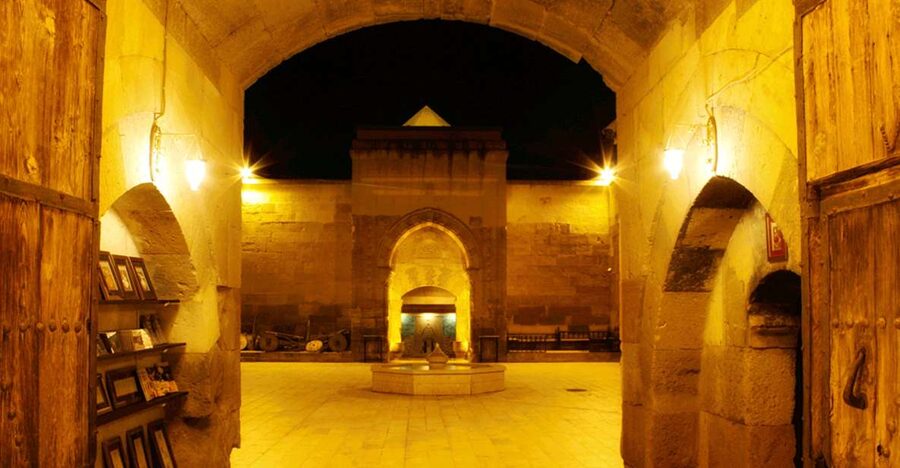
- Ortahisar cave-house venue at Motif Art Center / Motif Cultural Center, about 20 minutes from Ürgüp and Göreme
- Live ney flute and dervish ceremony performed by real practitioners from the region
- Tea ceremony included, with cinnamon tea served after the prayer portion
- Photo rules are strict: no cameras inside, plus only a short 3-minute window at the end for photos/videos
- Hotel transport option covers drop-offs in Avanos, Ortahisar, Ürgüp, Göreme, Çavuşin, and Uçhisar
- Driver-guide support in English and Turkish, with explanations that help you understand the movements
Motif Art Center in Ortahisar: the cave setting that makes this feel real
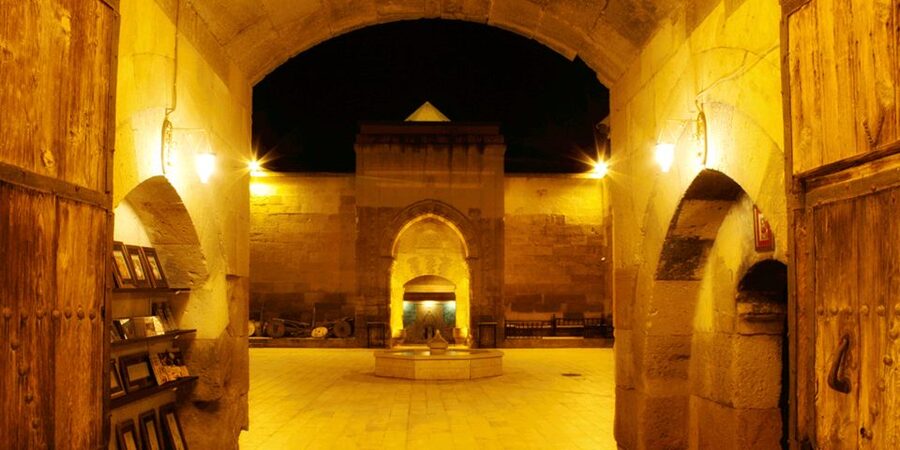
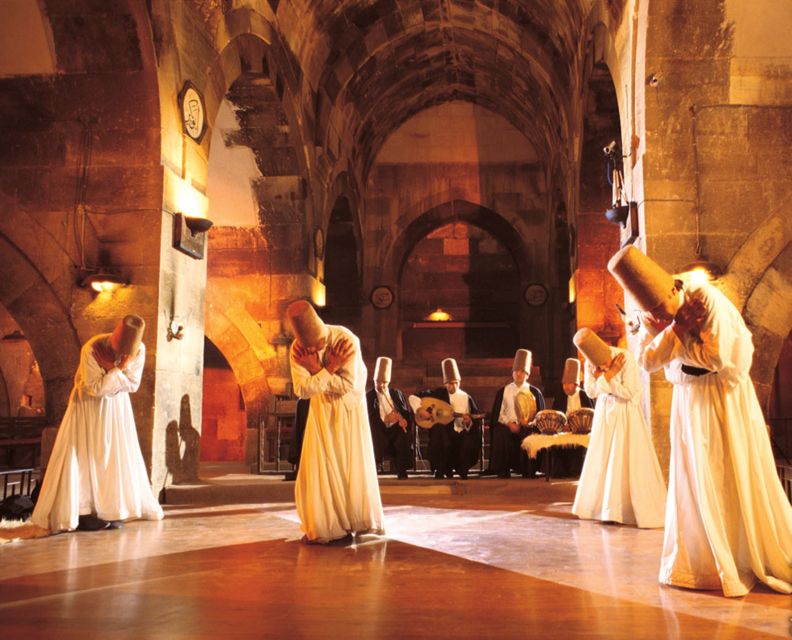
Cappadocia already has enough “show” energy. This one tries to cut through it by putting you in the setting where the ceremony is meant to happen. You’re taken to Motif Art Center / Motif Cultural Center in Ortahisar, a cave house environment that fits the whole spiritual vibe of the practice.
One of the best parts is that you’re not just watching people spin. You’re seeing a program presented as a real dervish ritual. That matters because it changes how you’ll read the movements. Even if you don’t know the tradition, the setting and live music make the ceremony feel like something practiced, not performed for the camera.
Ortahisar is also a practical location. It’s close enough to central Cappadocia that the ride time stays reasonable, which helps when you want a focused 1–2 hour activity instead of a half-day detour.
More cave-restaurant evenings and shows
- Avanos: Turkish Music and Dance Show with Dinner & Drinks★ 4.4 · 24 reviews
- Turkish Night Show At Cave Restaurant Including Transfer★ 4.1 · 18 reviews
- Göreme: Turkish Night Admission Ticket with Dinner & Drinks★ 4.4 · 8 reviews
- Cappadocia: Whirling Dervishes Ceramony★ 3.2 · 6 reviews
- Cappadocia: Turkish Night with Dinner-Unlimited Drinks★ 4.3 · 5 reviews
How the program runs: van ride, tea, and a real prayer moment
This experience is timed like a ceremony, not like a nightclub. If you choose transport, you’ll start with hotel pickup, then transfer by van to the venue. Expect a short ride on both sides of the activity.
Once you arrive at Motif Cultural Center in Ortahisar, the program moves through a few phases:
- Time at the venue with a photo stop and visit
- Tea ceremony (cinnamon tea is mentioned in the experience)
- Traditional dance segment that runs as part of the overall program timing (the on-site activity is listed as 110 minutes)
The big idea is that the turning and music are wrapped around prayer. The ceremony is presented as a real ritual, so you’ll feel pacing and reverence rather than constant spectacle.
Some guides/driver-guides are also part of the value. In past experiences, names like Shaheen and Shahin have provided helpful context about the program so you can follow what’s happening and why the performers move the way they do. If you’re the type who likes to understand before you judge, this kind of explanation can make the experience land much better.
Ney flute and live music: why this matters more than the spinning
The turning is what people picture. But in this ceremony, the live sound is a big part of the emotional effect. The program includes live music featuring the ney (reed flute), which is one of the signature instruments tied to dervish traditions.
That live music changes the pacing. It also gives the ceremony a mood you can feel even if you’re far from the performers. You’re not watching silent, staged movements. You’re inside the rhythm of the music and the prayer timing.
And there’s a practical reason to pay attention to the music: it helps you avoid the “wait, what now?” feeling. When the ney and accompanying music shift, you’ll notice the program moving toward prayer completion. That’s when the short photo opportunity happens.
Photo rules and the short 3-minute window at the end
This is the part you need to plan for in advance.
Inside the ceremony, cameras are not allowed, and photography and video recording are restricted. Audio recording is also not allowed. Even professional cameras are mentioned as prohibited. That means no quick “just one clip” during the main turning and prayer segments.
Here’s the good news: after the official ceremony ends, you get an additional 3 minutes of performing specifically to allow photos and videos. It’s short, so you should go in knowing you’ll capture the end rather than trying to record everything.
Practical tip: if you’re bringing a phone, decide what you’ll shoot. A lot of people waste time setting up and end up with half a clip. Since you’ll only get a brief window, focus on steady framing and clean audio expectations (since audio recording is restricted, you should treat it as visuals only).
Getting there and out: pickups, drop-offs, and timing you can trust
Transport is where this tour becomes either very easy or very annoying, depending on your hotel location.
You have two options:
- Only ceremony ticket (no transport)
- With hotel pick up/drop off (transport included)
If you pick the transport option, the van portion is brief—around 15 minutes each way based on the itinerary timing. That keeps the overall outing from dragging, especially if you’re doing other Cappadocia stops the same day.
Drop-offs are listed clearly across central areas:
- Avanos
- Ortahisar
- Ürgüp
- Göreme
- Çavuşin
- Uçhisar
Pickup coverage is more limited for neighborhoods outside central Cappadocia. Locations that are listed as not included for pickups are Mustafapasa, Ibrahin Pasa, Nevsehir, Nar, and Göre. If you’re staying in one of those farther areas, you might need to choose the non-transport ticket or plan your own meeting point approach.
Also, the meeting point is Motif Art Center Ortahisar Nevşehir. If you’re not using pickup, that’s your anchor.
Price and value: why $28 can make sense (or not)
At about $28 per person, this is priced in line with many cultural activities in Cappadocia. The value comes from what’s bundled:
- Entrance ticket to the dervish ceremony
- If you choose transport: hotel pickup and drop-off
What’s less obvious until you sit with it: the experience is structured around a real ritual with strict rules. That often means fewer “extra attractions,” but more focus. You aren’t paying for a buffet of activities. You’re paying for access to a ceremony and a venue where turning, prayer, and live music take priority.
You also get something small but meaningful: tea is part of the program, and cinnamon tea is specifically mentioned. That’s not a “nice perk” so much as a cultural pacing tool. It helps you shift from travel mode into ceremony mode.
When this price might feel like less value: if your main goal is filming and collecting lots of visuals, the no-camera rule can make it harder. You’ll have only that short 3-minute window after the official ceremony ends.
Who this fits best in Cappadocia (and who should skip)
This activity works best if you want a spiritual-cultural performance with live music and a sense of seriousness. It’s also a good fit if you appreciate context. Some guides do a strong job explaining the program and what you’re seeing, which turns the event from a “watch and move on” activity into something you actually understand.
It’s not for everyone. It’s specifically listed as unsuitable for:
- children under 5
- people with claustrophobia
- people with epilepsy
- people with motion sickness
A cave-house venue can feel tight, and ceremonies rely on timing and stillness. If you know you’ll struggle in enclosed spaces or with sudden motion triggers, it’s safer to choose a different Cappadocia activity.
If you want action and lots of photo time, look elsewhere. The rules are part of the experience’s spirit here.
Practical tips so you enjoy it more
You’ll enjoy the ceremony more if you show up prepared for how it behaves like a ritual.
1) Plan for the camera ban
Decide ahead of time to enjoy the main ceremony without trying to record. Save your best effort for the 3-minute photo/video allowance at the end.
2) Arrive a few minutes early
If you’re using pickup, you’re told to wait in the lobby area about 5 minutes before pickup time. That keeps you from missing the van. If you’re meeting at the center, be on time for seating and program flow.
3) Ask for seating if you need it
Some experiences include seating arranged by request. If you have visibility needs, mention them when you arrive.
4) Treat it like a timed event
This is not an open-ended “hang out” stop. The itinerary is structured: transport in, venue program (with tea and dance segment), then transport out. Give it attention like you would a show with a start time.
Should you book Cappadocia’s original whirling dervish ceremony?
Book it if you want something closer to a real ceremony than a loud tourist performance. You’ll likely appreciate the live ney music, the cave-house Ortahisar setting, and the sense that the dervishes are following a ritual rhythm, not just entertaining.
Skip it if you strongly need cameras during the ceremony, if you’re sensitive to enclosed spaces, or if you fall into the listed unsuitability categories like claustrophobia or motion sickness. Also skip if you mainly want a quick photo stop without rules and structure.
If your goal is cultural understanding in a tight 1–2 hour window, this is one of the more compelling ways to spend that time in central Cappadocia.
FAQ
Is hotel pickup included in the $28 price?
Pickup and drop-off are included only if you select the option with transport. If you choose only the ceremony ticket, you’ll need to arrange your own way to the venue.
Where is the ceremony held?
The ceremony takes place at Motif Art Center / Motif Cultural Center in Ortahisar (Nevşehir).
Can I take photos or record video during the ceremony?
No cameras are allowed during the ceremony, and photography, video recording, and audio recording inside are not permitted. After the official ceremony ends, you’re given an extra 3 minutes for photos and videos.
How long is the activity?
The activity is listed as 1–2 hours. On-site, the venue program includes a visit and tea ceremony plus a traditional dance segment that totals about 110 minutes.
Who should not join this experience?
It’s not suitable for children under 5, people with claustrophobia, people with epilepsy, or people with motion sickness.
Is there free cancellation and a pay-later option?
Yes. You can cancel up to 24 hours in advance for a full refund, and you can reserve now and pay later.
More Tour Reviews in Avanos
- Cappadocia: Highlights Tour (Red Tour & Underground City)
★ 4.8 · 955 reviews - Avanos: Pottery Workshop with Clay Making Experience
★ 4.8 · 233 reviews - Cappadocia: Sunset Rose Valley Hiking Tour
★ 4.5 · 163 reviews - Cappadocia: 2-Hour Jeep Safari at Sunrise & Sunset Views 4×4
★ 4.8 · 129 reviews - Cappadocia :Red Tour Entry Tickets and Lunch Included
★ 4.8 · 77 reviews - Cappadocia: Private ATV Tour with Hotel Pickup
★ 4.4 · 71 reviews
More Turkish Nights and Dervish Shows
- Avanos: Turkish Music and Dance Show with Dinner & Drinks
★ 4.4 · 24 reviews - Turkish Night Show At Cave Restaurant Including Transfer
★ 4.1 · 18 reviews - Göreme: Turkish Night Admission Ticket with Dinner & Drinks
★ 4.4 · 8 reviews - Cappadocia: Whirling Dervishes Ceramony
★ 3.2 · 6 reviews - Cappadocia: Turkish Night with Dinner-Unlimited Drinks
★ 4.3 · 5 reviews - Turkish Night Show
★ 3.9 · 3 reviews
Fresh off the valley trail: our newest Avanos write-ups

Turkish Night & Whirling Dervishes, compared.
 ★ 5.0Turkish Night at Cave Restaurant with Dinner and Unlimited DrinksFrom $661,225 reviews
 ★ 4.6Turkish Night at Cave Restaurant Dinner & DrinksFrom $77455 reviews
 ★ 5.0Whirling Dervishes ceremonyFrom $24276 reviews
 ★ 4.1Turkish Night Show with Dinner in a CaveFrom $65222 reviews
 ★ 4.4Whirling Dervishes Show in Historical CaveFrom $24169 reviews
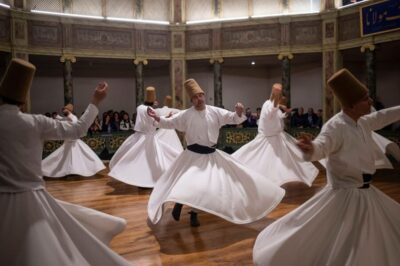 ★ 4.3Mystical Rhythms Whirling Dervish ShowFrom $4790 reviews
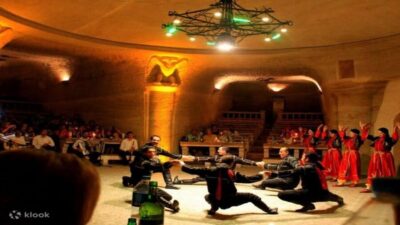 ★ 3.9Turkish Culture Dinner Show & Optional TransferFrom $3785 reviews
 ★ 4.9Romantic Concept Dinner in the ValleyFrom $19562 reviews
Browse the lists this tour appears in